For anyone who believes in gardening without chemicals, ladybugs almost sound too good to be true. They are gentle, familiar, and constantly described as nature’s solution to aphids and other soft-bodied pests, especially in gardening magazines and online articles that promise an easy, natural fix.
The idea is comforting. Instead of spraying anything, you simply release a living helper into your garden and let balance return on its own.
And to be fair, the reputation isn’t entirely undeserved. Ladybugs are excellent predators. An adult ladybug can consume dozens of aphids in a single day, while their larvae, which many people don’t even recognize, eat even more.
In a healthy ecosystem where they arrive naturally and reproduce, ladybugs can quietly keep pest populations under control for an entire season.
That promise is exactly what convinced me to buy them.
Why I Bought Ladybugs Instead of Waiting for Nature
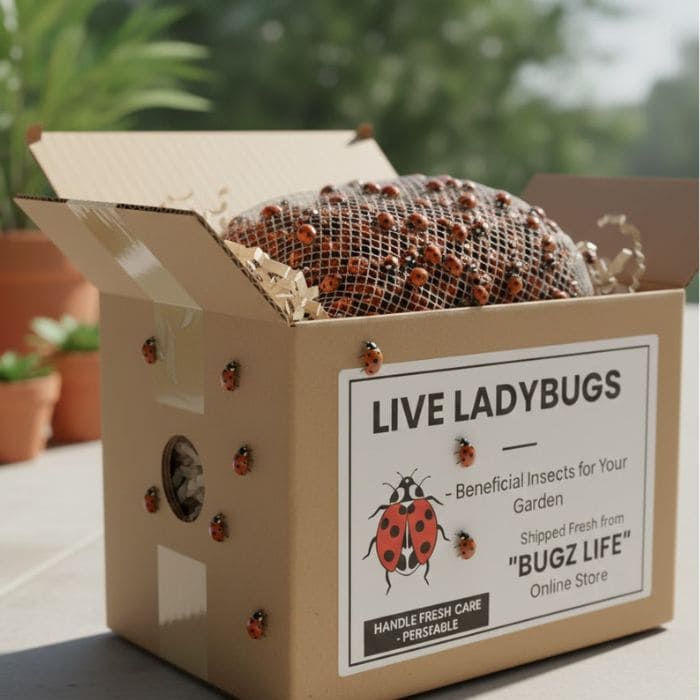
At the time, my garden was doing well overall, but I had a concentrated aphid problem in one section, and I wanted to address it without breaking my commitment to low-intervention gardening.
I had read enough success stories to believe that purchasing ladybugs would simply speed up what nature would do anyway, and I didn’t stop to question whether buying them was fundamentally different from attracting them.
I ordered them with optimism, expecting to see them spread through the garden, settle in, and quietly get to work.
What I didn’t understand yet was that most of what we are told about ladybugs only applies to those that already belong where they are.
Where Commercial Ladybugs Actually Come From
The first thing that truly changed how I viewed this practice was learning where most commercially sold ladybugs originate. In the United States, the majority of ladybugs sold for gardens are not bred in controlled environments.
Instead, they are wild-harvested, primarily from the western states, especially California, Nevada, and parts of Oregon, where native ladybug species gather in massive clusters during winter to overwinter in mountain crevices and forested areas.
These clusters can contain millions of ladybugs resting together, conserving energy until spring. Harvesters collect them during this dormant period, package them, and ship them across the country.
When I realized this, something finally made sense. The ladybugs I released here were never adapted to this land, this climate, or these seasonal cues. Their instincts were not to settle into my garden, but to continue a migration they had already been interrupted from.

The Legal and Ethical Gray Area Behind Ladybug Sales
What made this realization heavier was learning that large-scale ladybug harvesting exists in a legal gray area.
While collecting insects is often permitted in small amounts, the commercial removal of overwintering clusters has raised concerns among ecologists for years because those clusters play a crucial role in sustaining regional populations.
Removing ladybugs from their native ecosystems weakens pest control where they naturally belong, while releasing them elsewhere does not guarantee survival or benefit.
At the time, I believed I was choosing an environmentally responsible option, but later I had to admit that I hadn’t fully considered the broader impact.
Why Purchased Ladybugs Rarely Stay in Open Gardens
Even when released carefully, commercially harvested ladybugs often behave very differently from what gardeners expect.
They arrive stressed from transport, dehydrated, and disoriented, and when released into an unfamiliar environment, their instinct is often to fly upward and outward in search of conditions that match what they evolved for.
This is why so many gardeners report that their ladybugs disappear within a day or two. They don’t necessarily die, they simply leave.
In hindsight, this explains my own experience perfectly. I followed the recommended steps, releasing them in the evening, misting plants with water, and placing them near aphid-infested areas, yet within days their presence was barely noticeable.
Why Aphid Control Requires More Than a Small Release
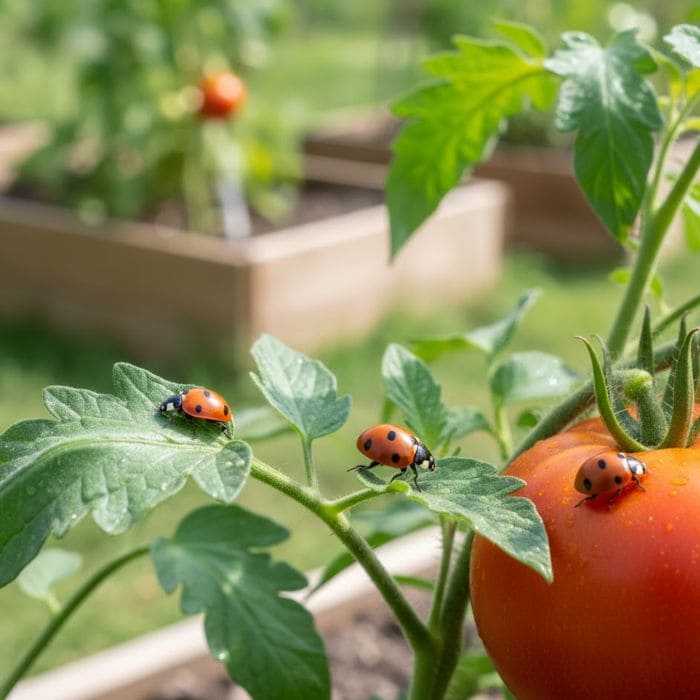
Another reality that often goes unmentioned is the sheer scale required for biological control to work. Aphids reproduce rapidly, far faster than most predators can eliminate them unless those predators establish and reproduce locally.
While a single ladybug eats many aphids, effective control requires sustained pressure, which usually comes from larvae produced within the garden itself.
A small container of ladybugs may reduce aphids briefly, but without reproduction and habitat support, the effect rarely lasts. That short-lived success followed by a rebound was exactly what I saw, and at the time, it felt confusing and discouraging.
Only later did I understand that ladybugs are not a one-time solution. They are part of a system that must already exist.
The Difference Between Releasing Ladybugs and Inviting Them
This experience taught me a distinction I wish more gardening advice made clear. Ladybugs that arrive naturally behave differently because they already belong.
They are adapted to local weather, local plants, and local timing, and when conditions suit them, they stay, reproduce, and return year after year.
Ladybugs that are introduced artificially often behave like visitors rather than residents.
Once I stopped buying them and focused instead on creating conditions that attract native beneficial insects, things began to change.
I planted more flowering herbs, left some areas undisturbed, and avoided sprays that disrupt insect life, even organic ones. Gradually, ladybugs returned on their own, fewer at first, then more steadily, and those were the ones that stayed.
What I Would Tell Anyone Thinking About Buying Ladybugs

I don’t believe buying ladybugs is always wrong, but I do believe it is often misunderstood.
In enclosed spaces like greenhouses, where escape is limited and conditions are controlled, releases can be effective. In open gardens, however, success depends far more on habitat than on numbers.
Understanding where ladybugs come from, how they behave, and what they need to thrive matters more than following a simple release guide.