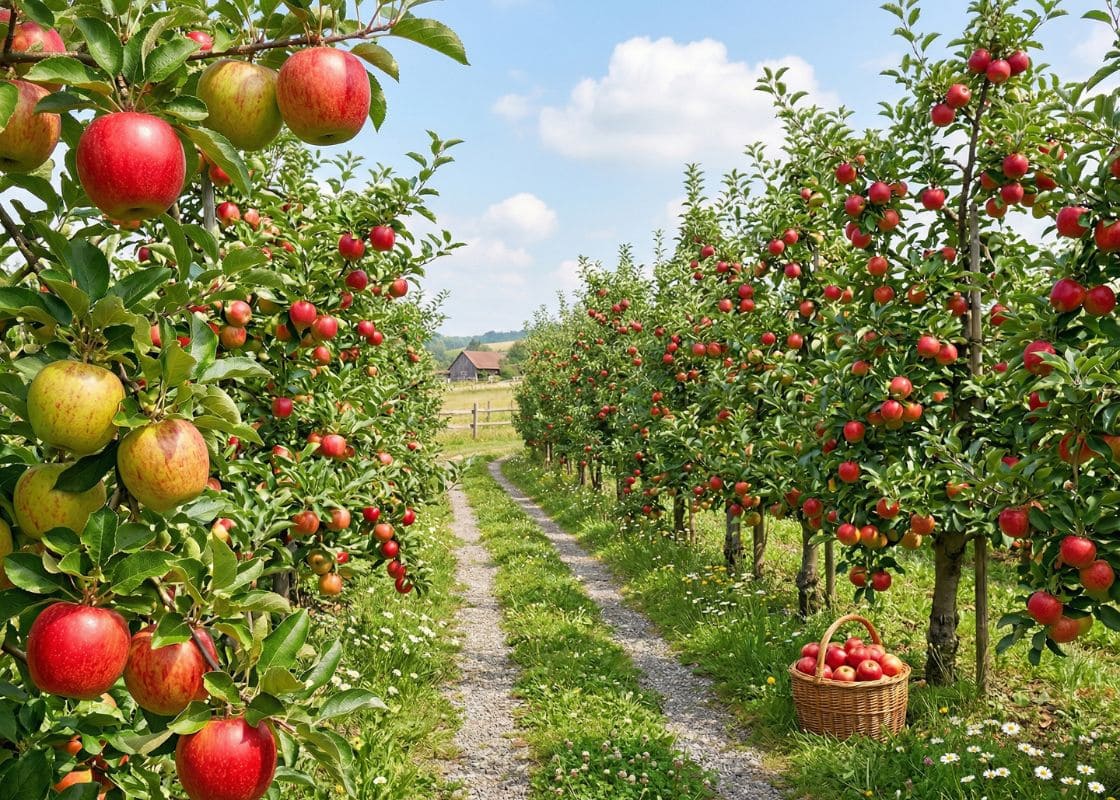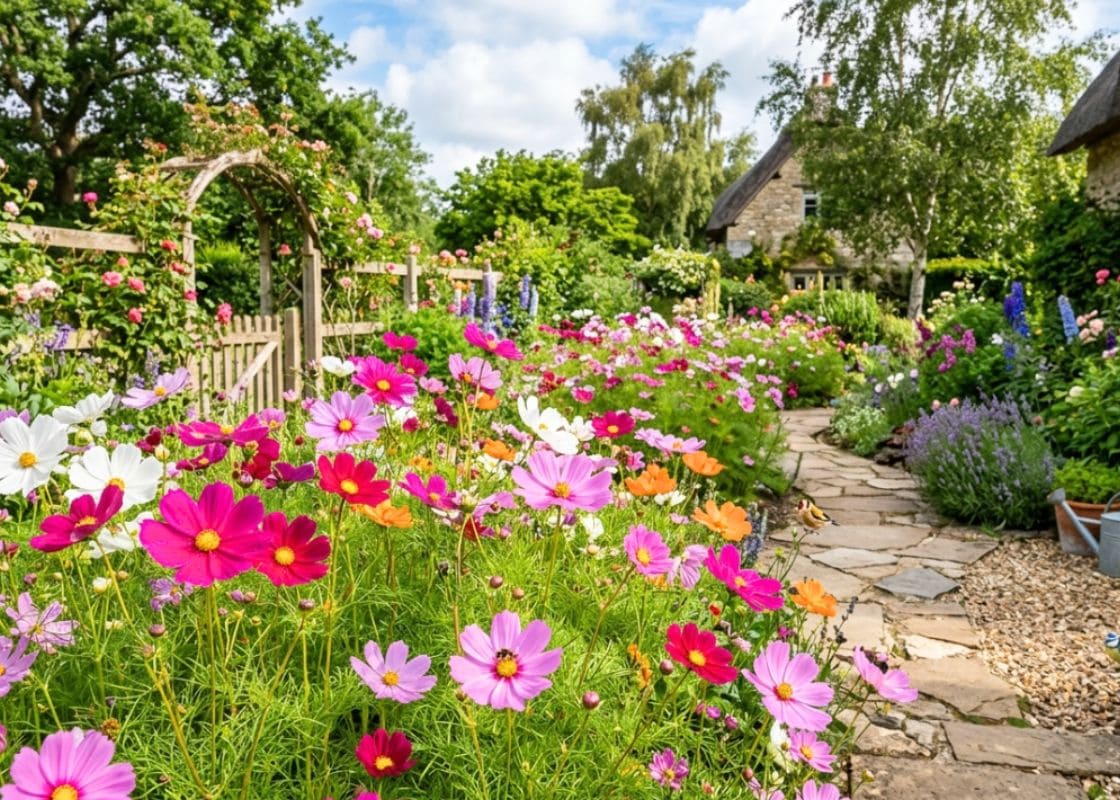
A summer garden starts to feel alive when wildflowers take over the space.
You notice softer edges, more movement, and a natural rhythm that doesn’t rely on perfect planning.
These plants bring color without demanding constant attention, which makes them ideal for real gardens. Some spread gently, others grow tall and bold, but all of them add personality.
You also begin to see more bees and butterflies, turning your garden into something more dynamic.
The selections below are dependable, easy to grow, and full of seasonal beauty that carries through the warmest months.
1. Black-Eyed Susan
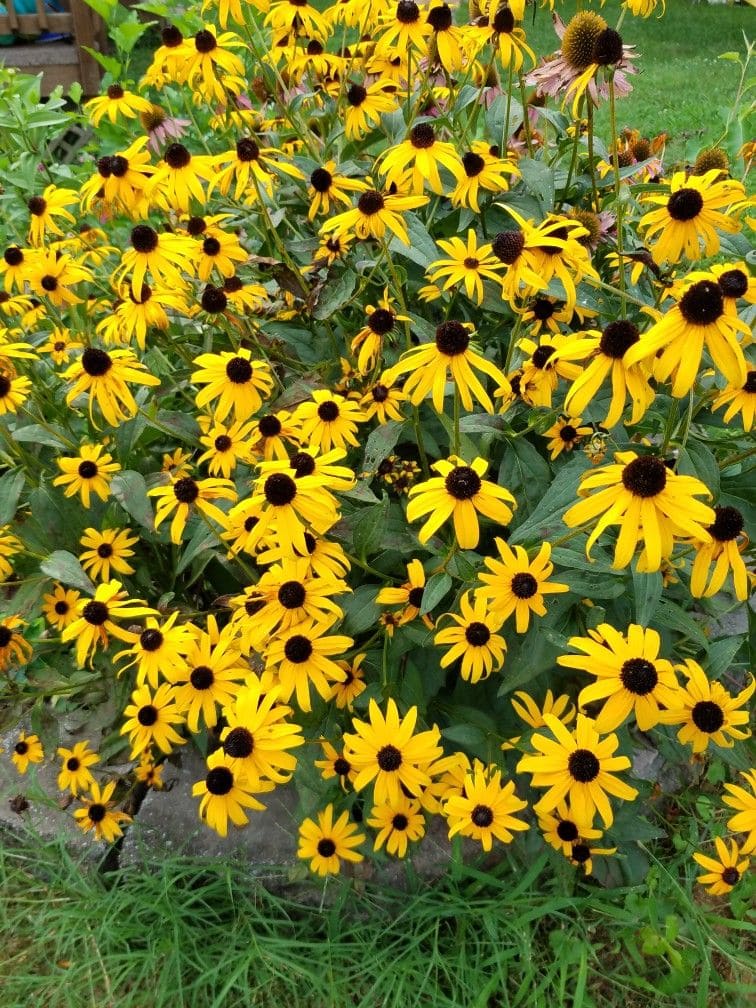
- Scientific name: Rudbeckia hirta
- USDA zones: 3-9
- Sun exposure: Full sun
- Water: Low to moderate
- Bloom time: Early summer to fall
Golden petals circle a dark center, creating a look that stands out even from a distance. You can plant these in open areas where other flowers struggle, and they still perform well.
The stems stay upright, which helps the garden feel structured without looking too formal. They continue blooming through heat waves, holding their color when many plants start to fade.
Pollinators gather around them throughout the day, bringing steady activity. Over time, they reseed and fill gaps naturally, giving your garden a fuller, more established look.
2. Coneflower
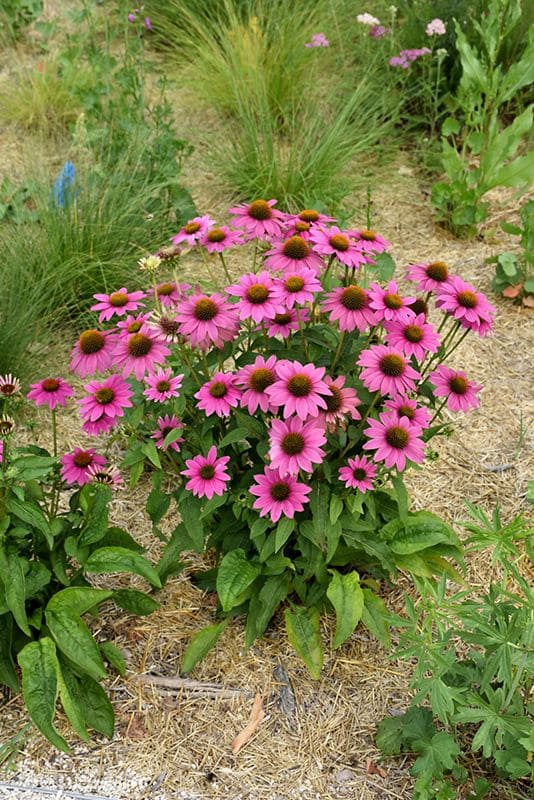
- Scientific name: Echinacea purpurea
- USDA zones: 3-9
- Sun exposure: Full sun
- Water: Low
- Bloom time: Mid-summer to fall
Coneflowers introduce strong shapes that add depth to a planting bed. Their raised centers and slightly drooping petals create a distinct profile that works well in mixed borders.
You can leave the seed heads in place after blooming, and they still bring texture to the space.
Birds often visit later in the season, which keeps the garden interesting even as flowers fade.
These plants tolerate dry conditions without losing their strength. They become a dependable anchor in any summer layout.
3. California Poppy
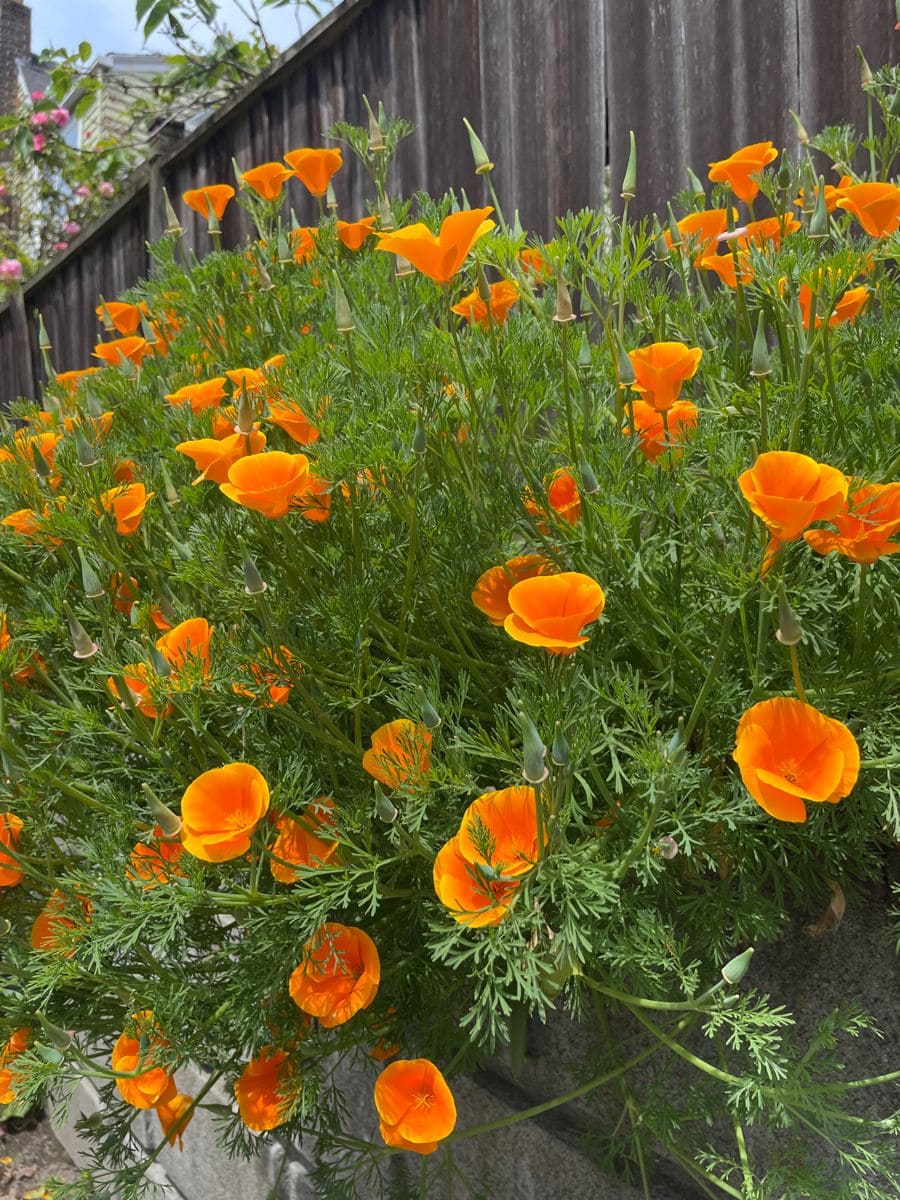
- Scientific name: Eschscholzia californica
- USDA zones: 6-10
- Sun exposure: Full sun
- Water: Low
- Bloom time: Late spring to summer
Bright orange blooms open with the sun and close again in the evening, adding a quiet rhythm to your garden.
You start to notice how they respond to light, which gives the space a more natural flow. They grow easily from seed and spread across open soil without much effort.
These flowers thrive in dry conditions, making them a great choice for low-water gardens.
Their soft, delicate petals contrast nicely with rougher textures nearby. The overall effect feels light, simple, and relaxed.
4. Shasta Daisy
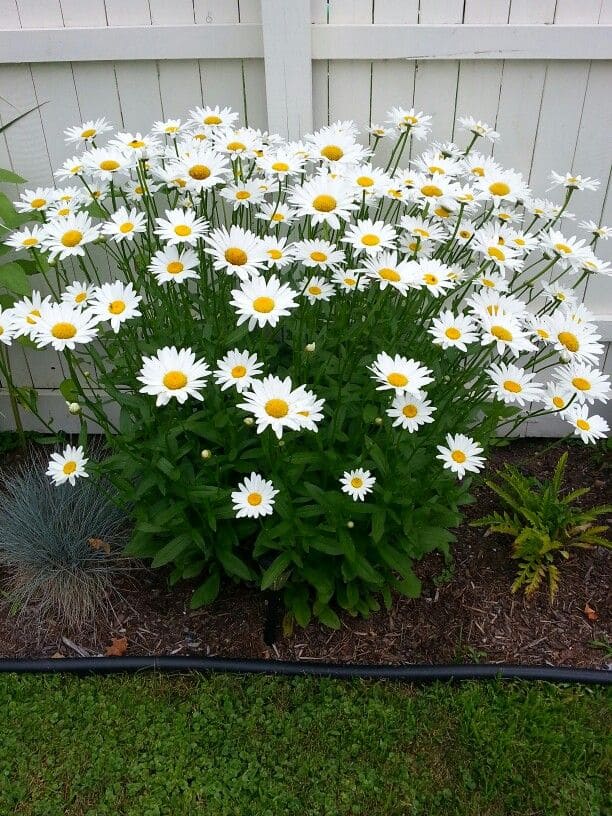
- Scientific name: Leucanthemum × superbum
- USDA zones: 5-9
- Sun exposure: Full sun
- Water: Moderate
- Bloom time: Early to mid-summer
White petals with sunny centers bring a clean, classic look that balances brighter flowers.
You can use them to soften bold color combinations or to create a calmer section in your garden.
Their sturdy stems make them perfect for cutting and displaying indoors. Blooms often appear in clusters, giving you a fuller visual impact.
With regular care, they continue producing flowers through the season. Over time, they form strong clumps that return each year with little effort.
5. Blanket Flower
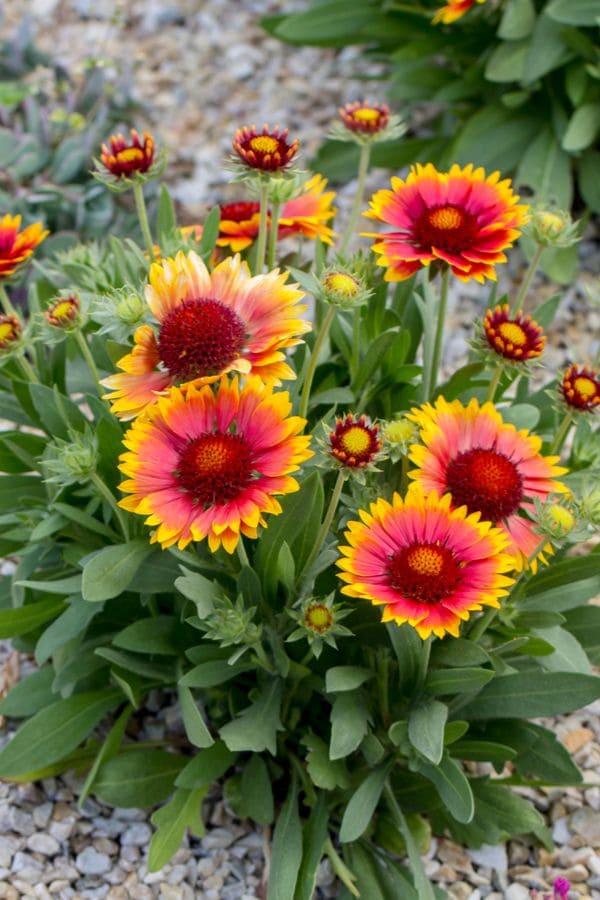
- Scientific name: Gaillardia pulchella
- USDA zones: 3-10
- Sun exposure: Full sun
- Water: Low
- Bloom time: Early summer to fall
Warm tones of red, orange, and yellow create a sunlit effect across the garden. You can plant them in poor soil and still expect strong growth.
The flowers hold their color through intense heat, which keeps your garden looking vibrant. They bloom continuously, filling in spaces that might otherwise feel empty.
Pollinators are drawn to their open shape and rich color. This plant adds energy without adding extra work.
6. Lupine
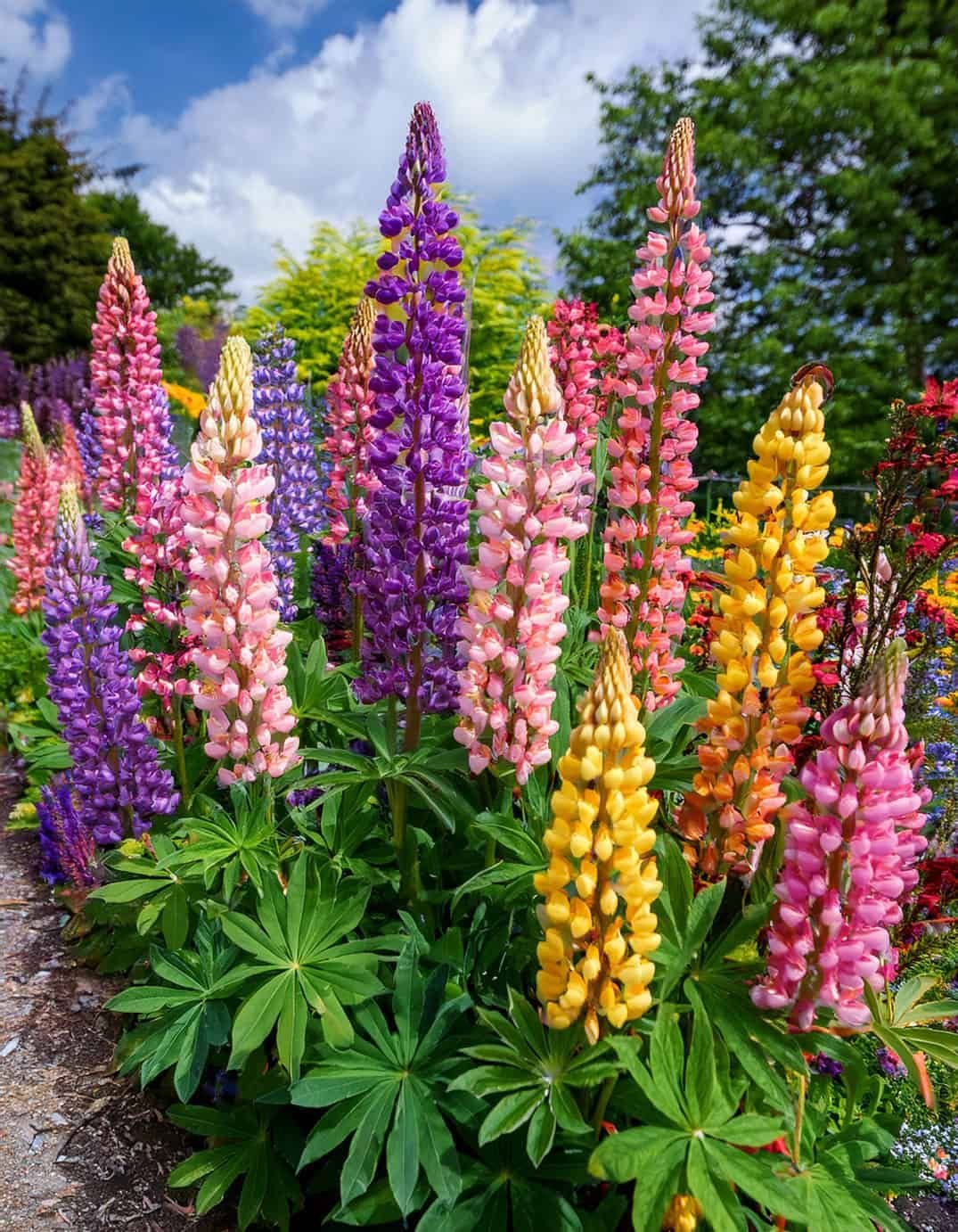
- Scientific name: Lupinus spp.
- USDA zones: 4-8
- Sun exposure: Full sun to partial shade
- Water: Moderate
- Bloom time: Late spring to early summer
Tall flower spikes rise above the foliage, creating height and movement. You can use lupine to break up flat areas and add visual layers.
The blooms come in a range of colors, from soft pastels to deeper shades. They also improve soil quality by adding nitrogen, which benefits nearby plants.
These flowers prefer slightly cooler conditions but still perform well in early summer. Their structure brings a natural meadow-like feel to the space.
7. Cosmos
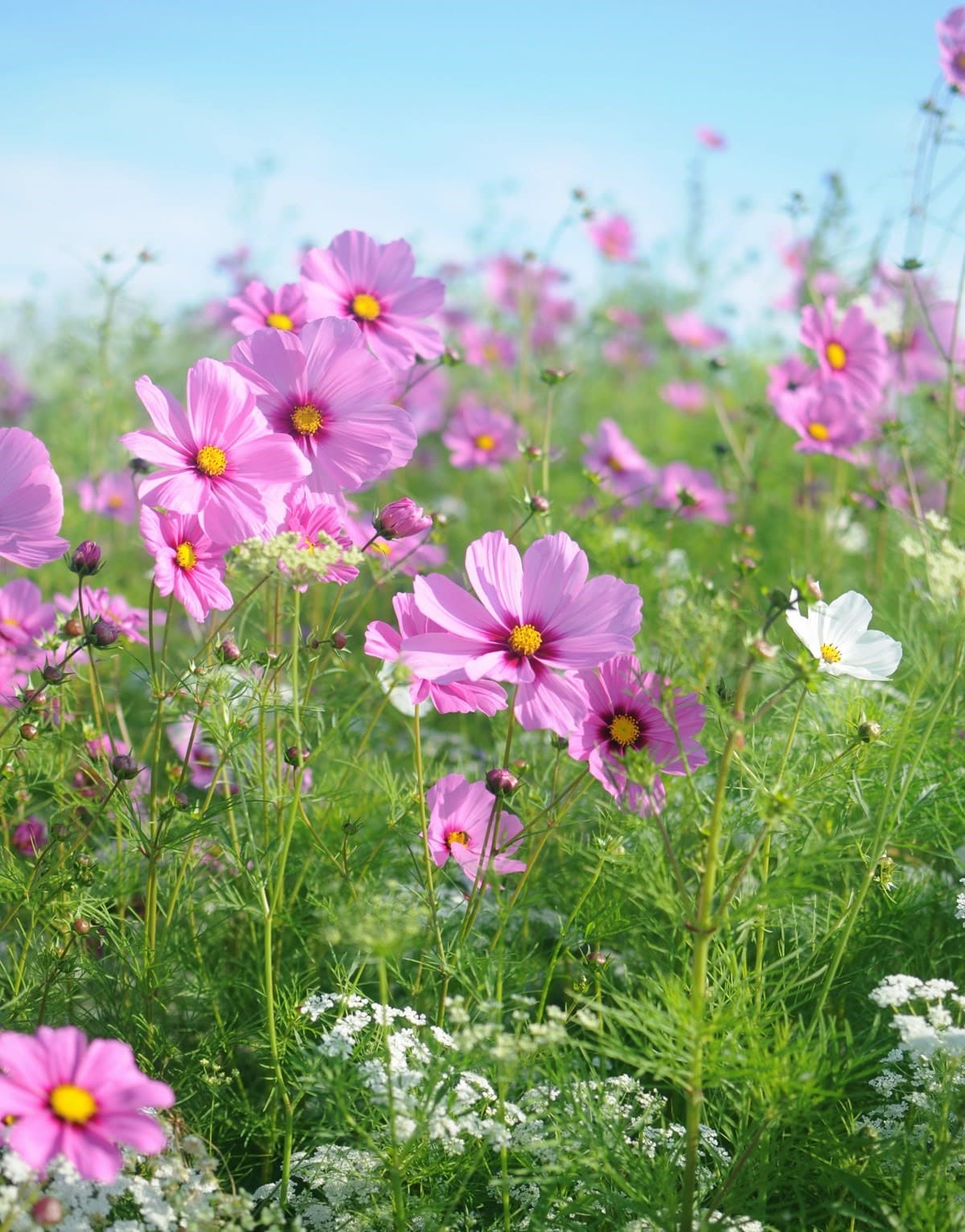
- Scientific name: Cosmos bipinnatus
- USDA zones: 2-11 (annual)
- Sun exposure: Full sun
- Water: Low
- Bloom time: Summer to fall
Thin stems and airy foliage give cosmos a light, floating presence. You can plant them in clusters to create a soft, layered look.
They grow quickly from seed and begin blooming without much waiting. Even in less-than-perfect soil, they continue to produce flowers.
The gentle movement in the wind adds life to the garden. This plant works well when you want something easy that still feels beautiful.
8. Coreopsis
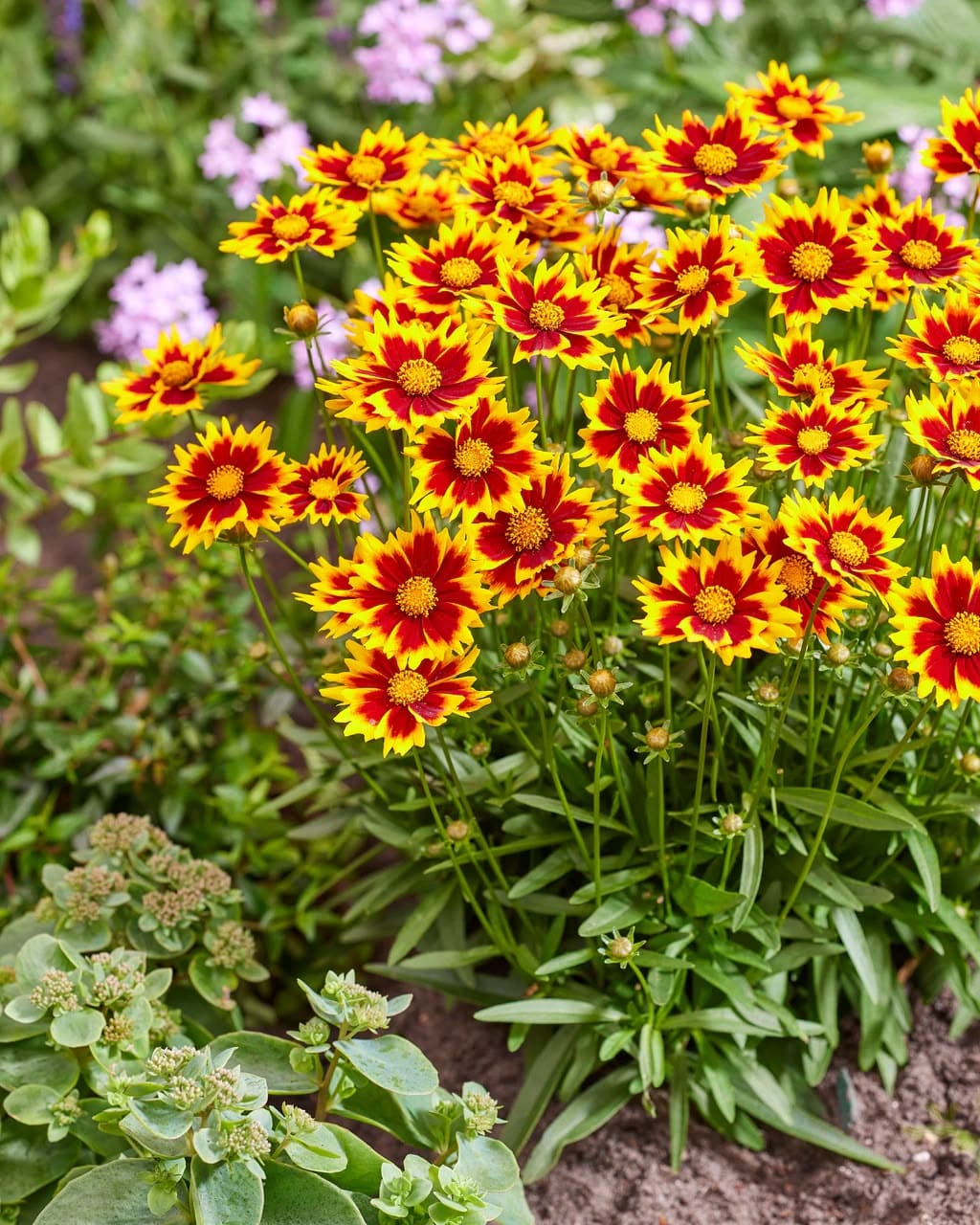
- Scientific name: Coreopsis spp.
- USDA zones: 4-9
- Sun exposure: Full sun
- Water: Low
- Bloom time: Early summer to fall
Bright yellow blooms cover the plant, creating a cheerful, consistent display.
You can use coreopsis to connect different areas of your garden visually. It handles heat and drought without losing its color.
The flowers continue to appear for months, giving you long-lasting impact. This plant fits easily into both structured and natural layouts. It becomes a reliable source of color through the season.
9. Yarrow
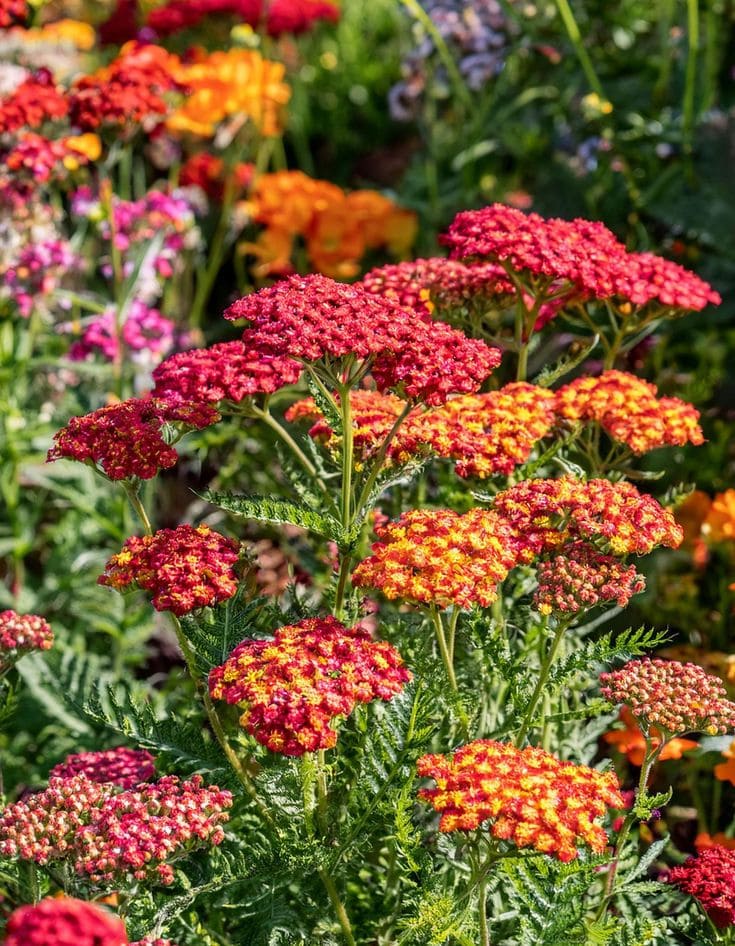
- Scientific name: Achillea millefolium
- USDA zones: 3-9
- Sun exposure: Full sun
- Water: Low
- Bloom time: Early to late summer
Flat clusters of small flowers create a soft, textured surface.
You can use yarrow to add contrast against larger blooms. It thrives in dry conditions and spreads steadily across open areas.
The foliage has a delicate, feathery appearance that adds depth.
This plant works well in natural or meadow-style gardens. Once established, it requires very little attention.
10. Bee Balm
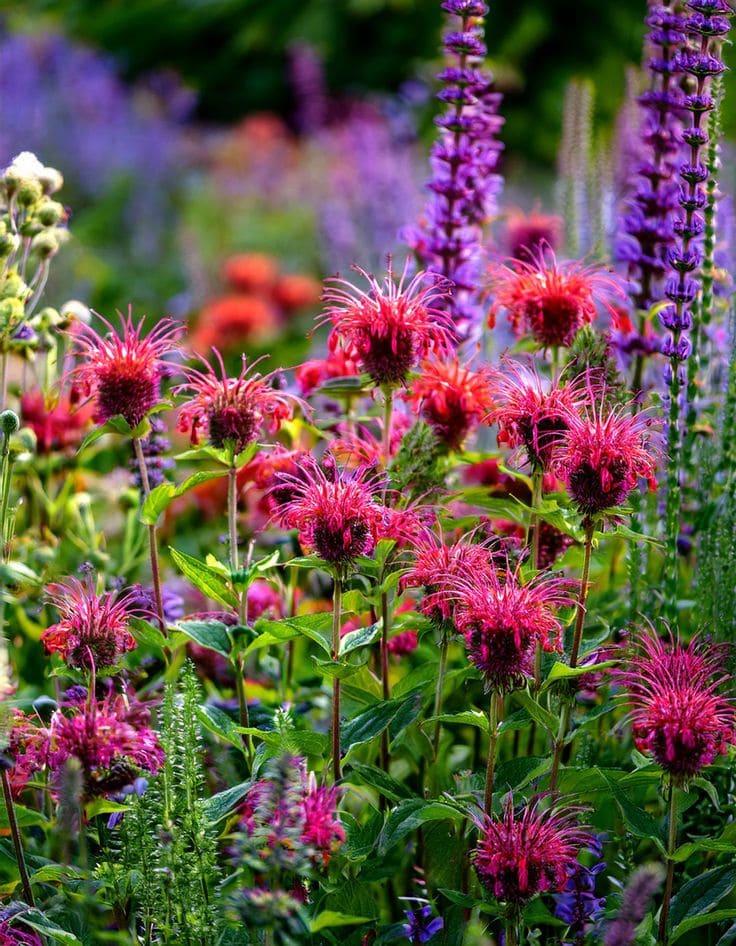
- Scientific name: Monarda didyma
- USDA zones: 4-9
- Sun exposure: Full sun to partial shade
- Water: Moderate
- Bloom time: Mid to late summer
Bold, spiky blooms create a strong visual focal point. You can expect bees, butterflies, and hummingbirds to gather around them.
The plant spreads over time, filling in empty areas naturally. Its scent adds another layer of interest to the garden.
Good spacing helps keep the plant healthy and thriving. This flower brings both color and activity into the space.
11. Bachelor’s Button
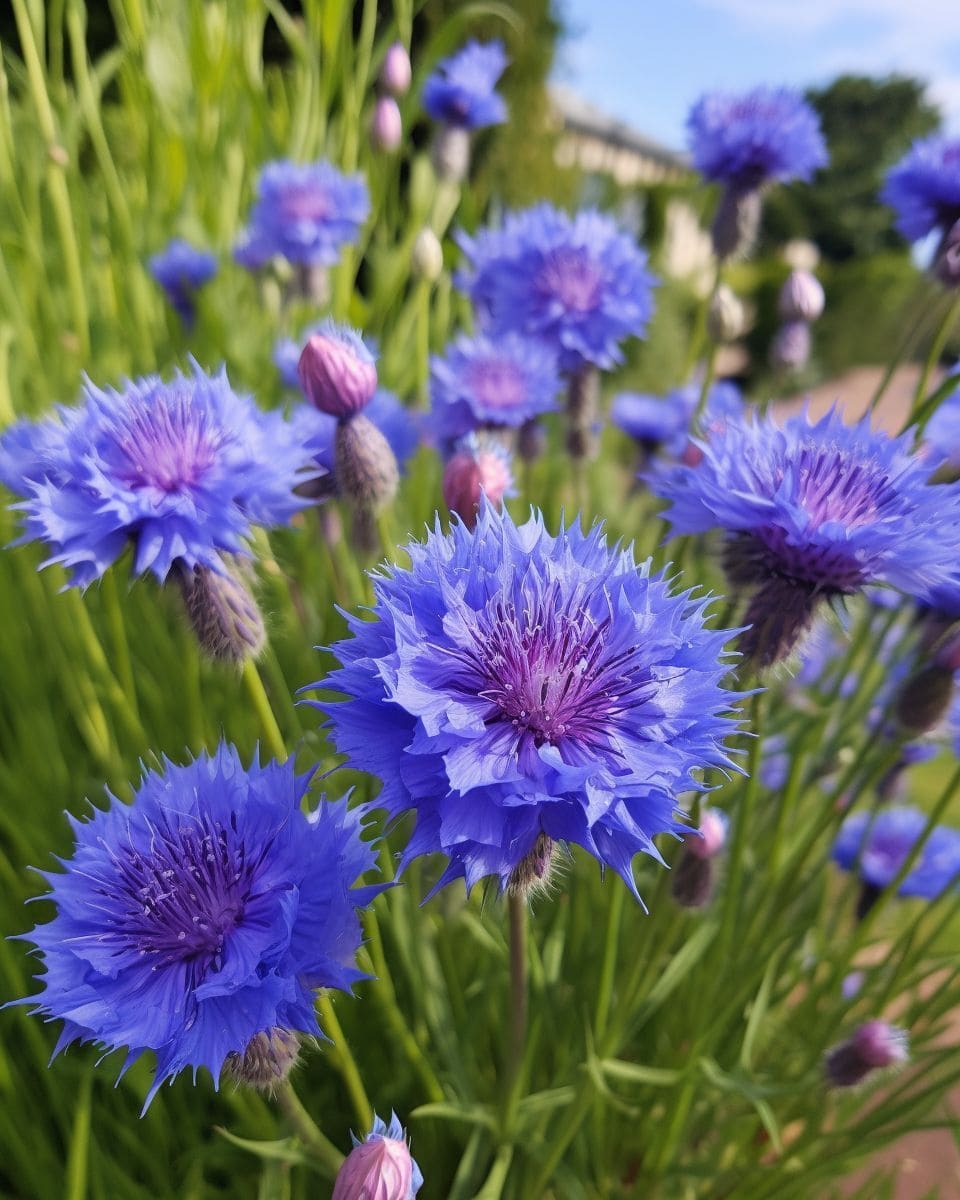
- Scientific name: Centaurea cyanus
- USDA zones: 2-11 (annual)
- Sun exposure: Full sun
- Water: Low
- Bloom time: Late spring to summer
Deep blue flowers provide a unique color that stands out among warmer tones.
You can grow them easily from seed with very little effort. The blooms have a slightly wild look that fits natural gardens well.
They also make excellent cut flowers for simple arrangements. Once planted, they often return through reseeding. This adds a sense of continuity to your garden.
12. Wild Bergamot
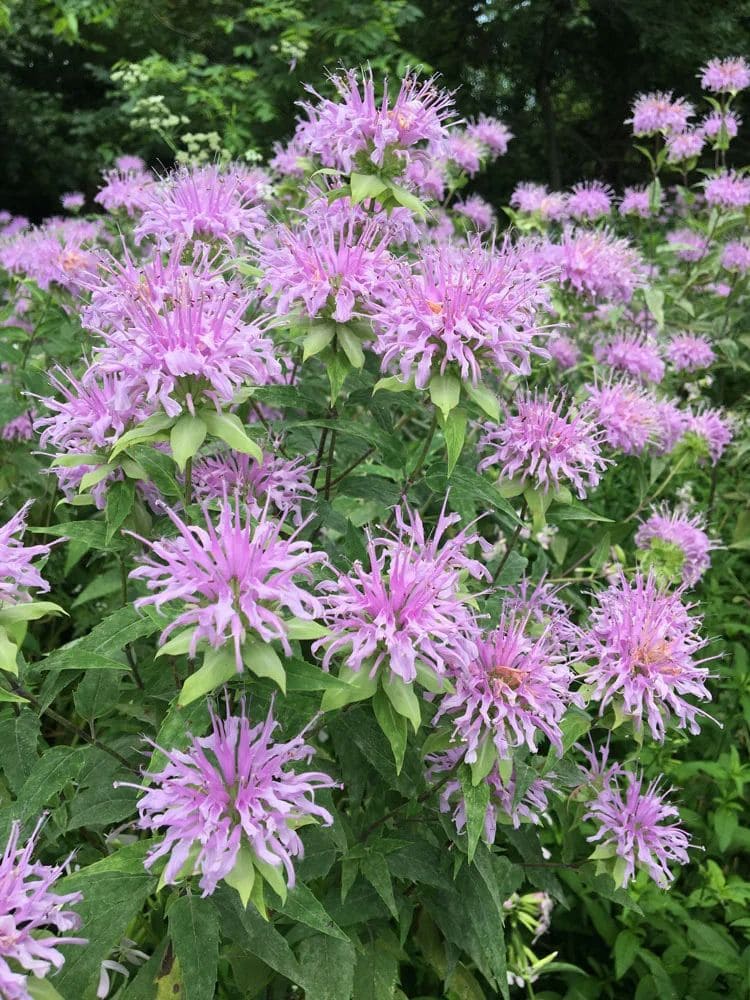
- Scientific name: Monarda fistulosa
- USDA zones: 3-9
- Sun exposure: Full sun
- Water: Low to moderate
- Bloom time: Summer
Soft lavender blooms create a relaxed, open look. You can use them to build a meadow-style section in your garden.
They attract pollinators while maintaining a gentle color palette. The plant adapts to different soil types without much difficulty.
It spreads gradually, filling space in a controlled way. This makes it a balanced addition to mixed plantings.
13. Goldenrod
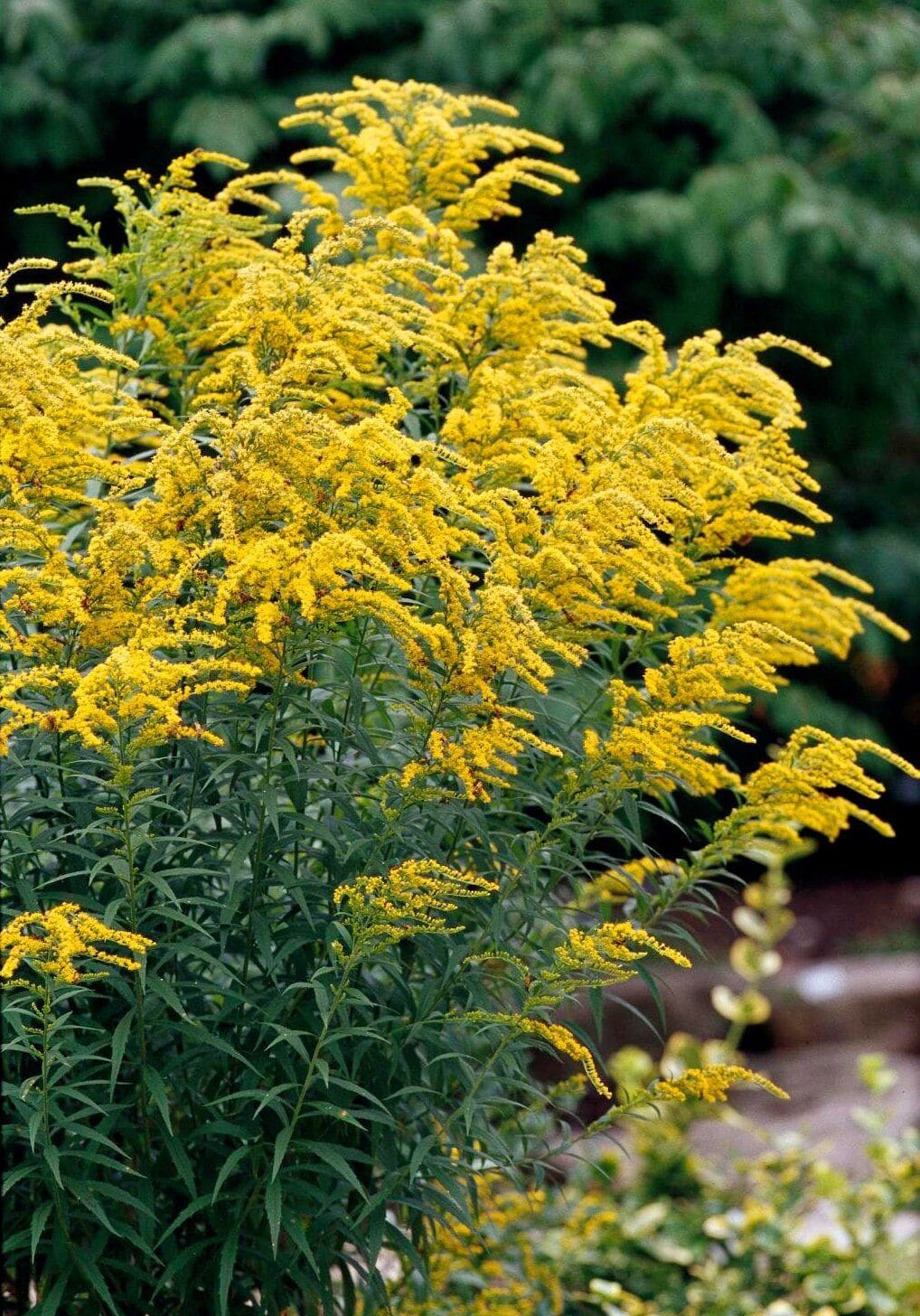
- Scientific name: Solidago spp.
- USDA zones: 3-9
- Sun exposure: Full sun
- Water: Low
- Bloom time: Late summer to fall
Tall stems carry clusters of small yellow flowers that glow in late-season light.
You can use goldenrod to extend color into early fall. It grows easily in many conditions and needs little maintenance.
The blooms attract beneficial insects that support the garden ecosystem. It pairs well with cooler-toned flowers for contrast. This plant adds warmth just as the season begins to shift.
14. Blue Flax
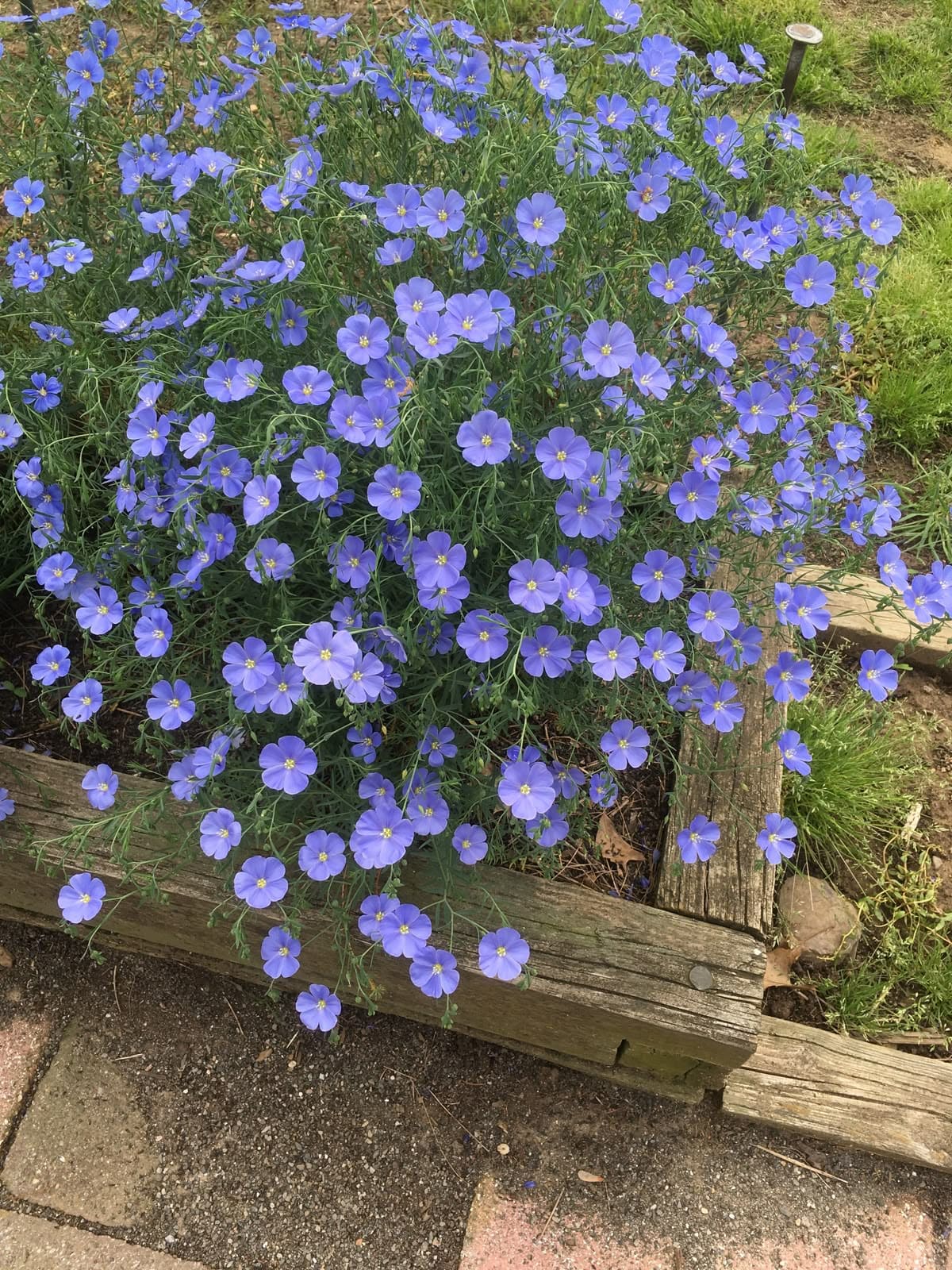
- Scientific name: Linum perenne
- USDA zones: 5-9
- Sun exposure: Full sun
- Water: Low
- Bloom time: Late spring to summer
Small blue flowers open each morning, creating a fresh display every day.
You begin to notice how the plant renews itself continuously. Its light structure works well in open, airy garden designs.
It prefers well-drained soil and plenty of sunlight. The color adds a calm, cooling effect among warmer tones. This flower fits beautifully into relaxed, natural spaces.
15. Evening Primrose
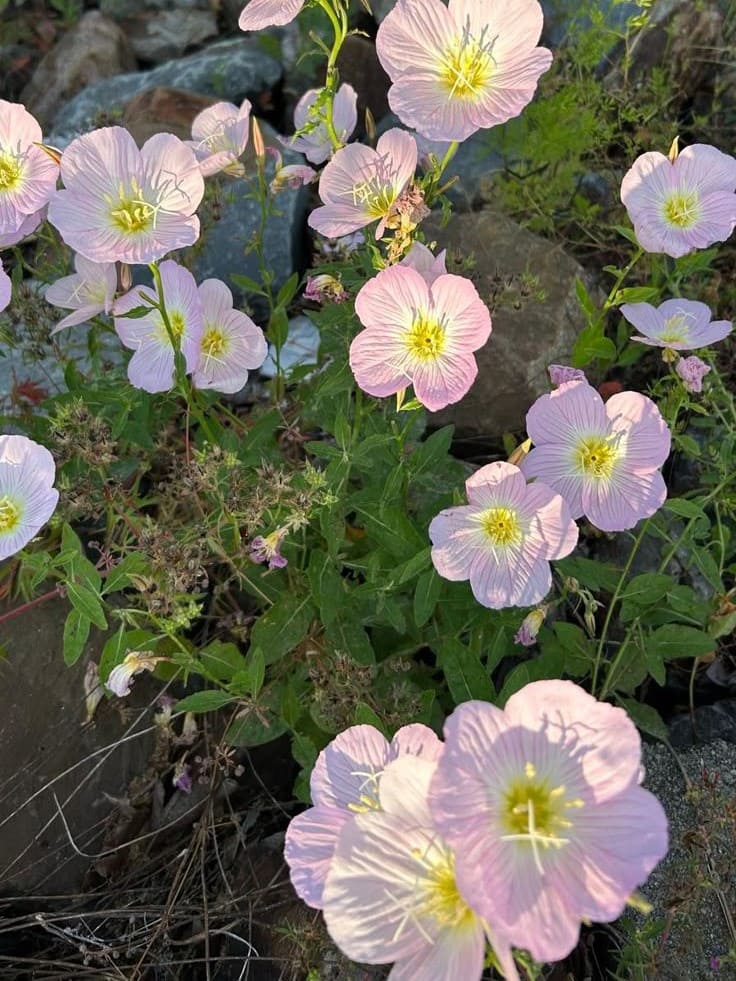
- Scientific name: Oenothera biennis
- USDA zones: 4-9
- Sun exposure: Full sun
- Water: Low
- Bloom time: Summer
Soft yellow blooms open as the light fades, bringing a different rhythm to the garden. You can enjoy the transition from day to evening through this subtle change.
The flowers attract night pollinators, adding another layer of life. It grows easily in poor soil and spreads with little effort.
The plant has a slightly untamed character that suits natural designs. It adds quiet beauty to late summer evenings.
Conclusion
A summer garden becomes more meaningful when it grows in a natural, unforced way.
Wildflowers allow you to step back and let the space develop its own character. You don’t need perfect symmetry or constant care to create something beautiful.
Small patches of color, shifting blooms, and visiting pollinators all work together to build a living landscape.
Over time, the garden feels fuller, softer, and more connected to the season.
When you choose the right mix, you create a space that continues to evolve, offering beauty and calm throughout the summer and beyond.