When I was living in New York, bees were something I avoided without much thought. I didn’t try to understand what kind they were or what role they played in the world around me.
To me, a bee was simply a threat, something that could sting without warning, and something I believed was dangerous just by being nearby. That fear made sense in a city where nature feels compressed and unfamiliar, and where quick reactions are part of daily life.
When we moved to West Virginia and began working the land, that fear didn’t disappear overnight. I carried it with me into the garden, especially in those early seasons when everything felt new, wide open, and slightly overwhelming.
Meeting Bumblebees Where They Actually Live
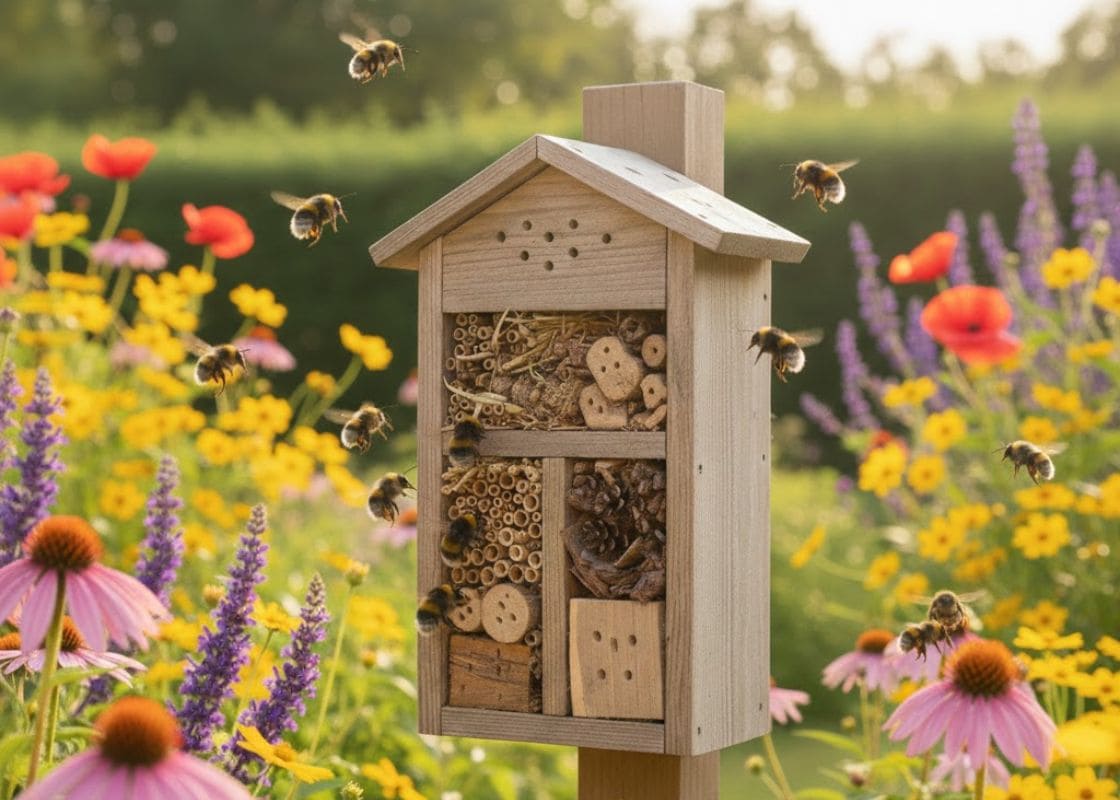
The first bees I truly noticed here were bumblebees, and they were impossible to ignore. They were larger than I remembered any bee being, with round, fuzzy bodies covered in thick bands of black and yellow that almost looked soft rather than sharp.
Their wings moved quickly, but their bodies did not rush, and the sound they made was a deep, steady buzzing that felt slower and heavier than the high-pitched sound I associated with bees before.

At first, that sound alone made me tense. I watched them closely, ready to step away, but as days passed, I began to notice patterns.
Bumblebees flew low and deliberately, moving from flower to flower with purpose, often landing clumsily and adjusting themselves before settling in. They rarely hovered aggressively, and they almost never reacted to my presence unless I moved suddenly.
I learned that bumblebees are generally gentle by nature and far less defensive than many people assume.
They are social insects, but unlike honeybees, their colonies are small, often only a few dozen to a few hundred individuals, and they are focused on foraging rather than guarding territory. They sting only when threatened directly, and most of the time, they are completely absorbed in their work.

Their living habits explained so much of what I was seeing. Bumblebees don’t build visible hives. They prefer quiet, hidden spaces such as abandoned rodent burrows, thick grass, compost edges, or sheltered cavities near the ground.
They thrive in places that feel undisturbed, slightly wild, and protected from constant traffic, which is exactly what much of our land offers.
West Virginia suits them well. Bumblebees tolerate cold better than most pollinators, thanks to their dense body hair and ability to generate heat by vibrating their flight muscles.
That means they can fly on cool mornings, cloudy days, and even light drizzle, conditions that are common here in spring. Once I understood this, I realized why I kept seeing them long before other insects appeared.
Why Farmers Here Respect Bumblebees So Deeply
As I spoke with local farmers and neighbors, especially those who had worked this land for decades, I kept hearing the same quiet respect for bumblebees.
Many told me they consider bumblebees one of the most dependable pollinators in this region, especially for early-season crops and fruit trees.
They explained that bumblebees perform buzz pollination, a behavior where they vibrate flowers to release pollen more effectively.
Crops like tomatoes, peppers, berries, and even some orchard blossoms respond especially well to this type of pollination, producing fuller fruit and better yields.
Once I learned this, I began noticing a clear difference between areas where bumblebees were active and areas where they were scarce.
Learning to Work Through Fear Instead of Letting It Control Me
Even with all this knowledge, my fear didn’t vanish completely, and I want to be honest about that. There are still moments when a bumblebee flies close to my face and my body reacts before my mind does.
What changed is that I no longer act on that fear. I slow down, step aside, and let the moment pass.
That shift alone made gardening calmer. I learned that sudden movements create tension, while stillness creates safety, for both me and the bees.
How I Began Attracting Bumblebees Intentionally
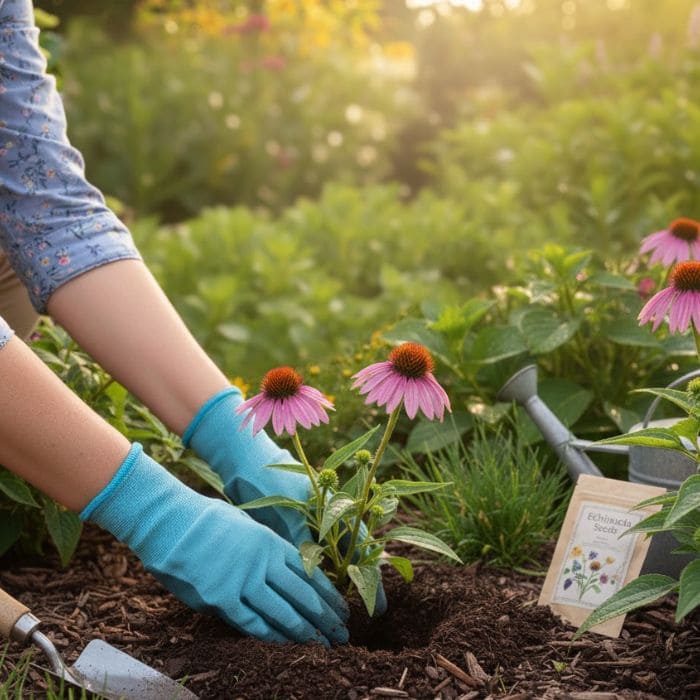
Once I accepted that bumblebees were not just visitors but partners in this garden, I began planting with them in mind. I focused on creating a continuous food supply rather than isolated bursts of bloom.
I added more native and open-faced flowers, including coneflowers, sunflowers, clover, and herbs like thyme, oregano, and basil, and I allowed some vegetables to bolt instead of pulling them out immediately.
I paid special attention to early spring blooms and late-season flowers, because those are the hardest times for bumblebees to find food.
Equally important was what I stopped doing. I stopped spraying anything, even products labeled organic, because I learned how easily they disrupt pollinators. I also stopped over-cleaning, leaving stems, leaf litter, and quiet corners untouched.
The Bee Hotel Ryan Helped Me Build
One evening, while talking with Ryan about how often we were seeing bumblebees near the garden, I mentioned that I wished we could offer them shelter, not just flowers.
Bumblebees don’t live in hives like honeybees, and nesting spaces are becoming harder to find as landscapes become more managed. So Ryan suggested building something simple, functional, and natural.
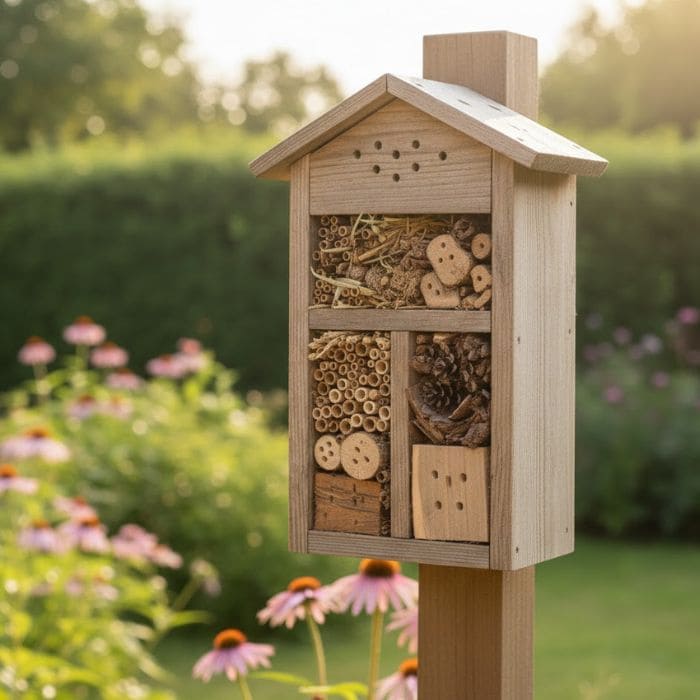
He used untreated scrap wood from the shed to build a rectangular structure about 12 inches wide, 18 inches tall, and 6 inches deep, large enough to provide shelter without feeling exposed. Inside, he divided the space loosely using thin slats, creating sections rather than tight compartments.
We filled those spaces with hollow plant stems, dried grass, pinecones, bark, and small pieces of untreated wood, keeping everything loose so air could move freely. He drilled small ventilation holes near the top and angled the roof slightly so rain would run off.
We mounted it about three feet off the ground, facing southeast to catch morning sun while staying protected from strong afternoon heat and wind.
Watching the Garden Respond Over Time
The changes didn’t happen overnight, and I’m glad they didn’t. What I noticed instead was consistency.
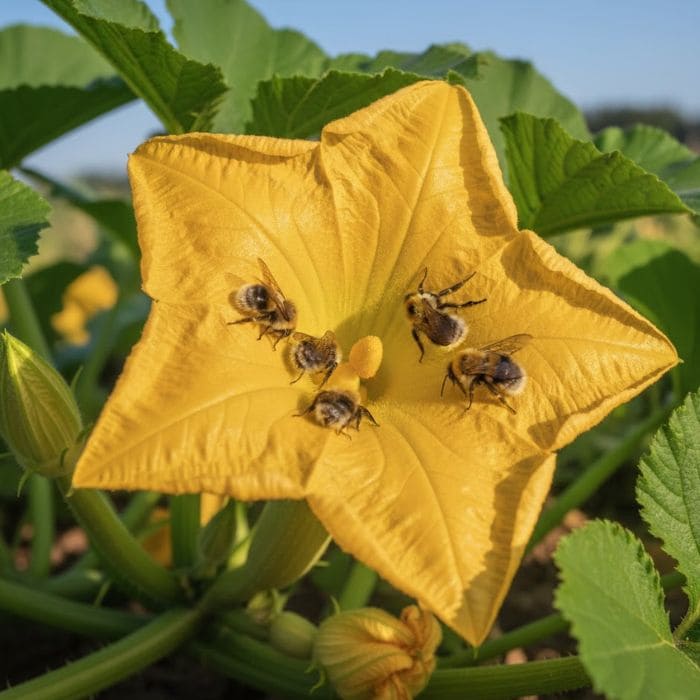
By mid-season, I began seeing six to eight bumblebees working the same section of the garden at once, especially around tomatoes, squash, and sunflowers. In early mornings, when temperatures were still cool, bumblebees were often the only pollinators active.
By late summer, fruit set improved noticeably. Tomato clusters were fuller, squash developed more evenly, and berry yields increased compared to the previous season. I also noticed fewer aborted blossoms, something I had struggled with before.
Just as important, bumblebees returned year after year. That return told me more than any single harvest ever could. They weren’t passing through. They were choosing this place.