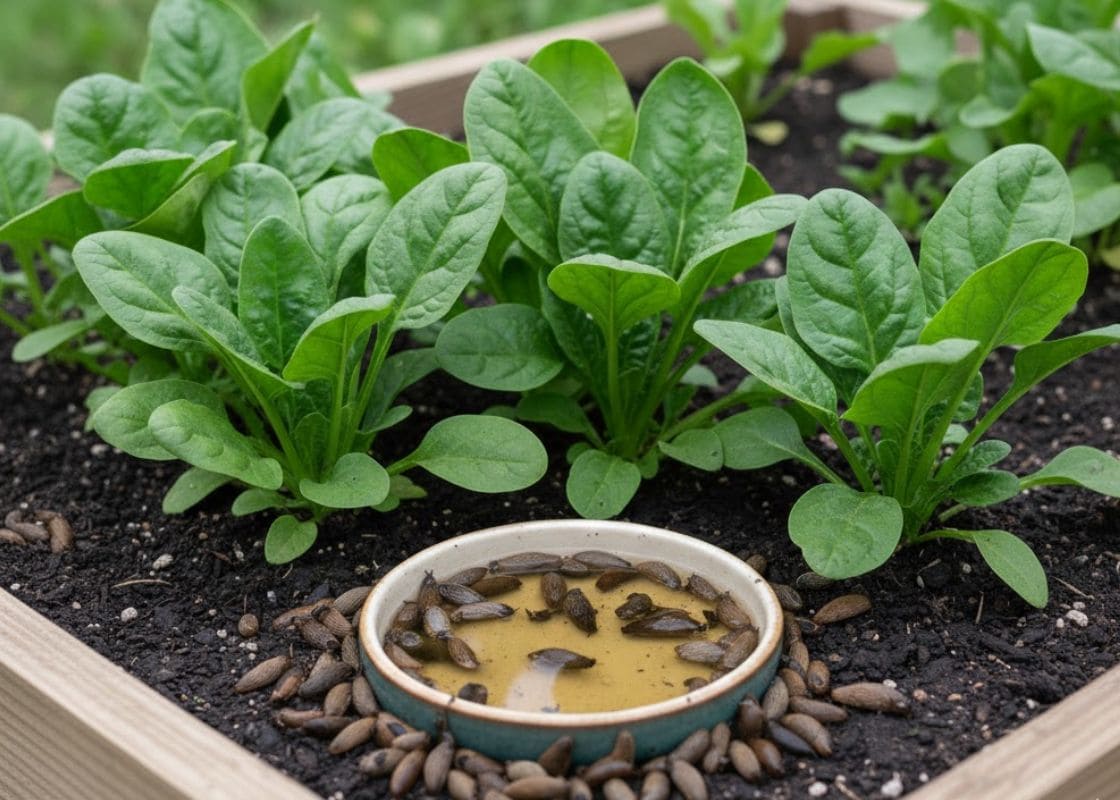
As gardeners, we all know the struggle. We plant our vegetables with so much love and care, only to wake up one morning to find that some sneaky little creatures have decided to have a feast on our prized plants.
This year, my biggest challenge was slugs, those slimy little pests that can destroy your crops overnight, especially delicate vegetables like lettuce, cabbage, and spinach.
As someone who strives to avoid chemicals in the garden, I was on a mission to find an eco-friendly way to prevent slugs from taking over. After trying several methods, I finally stumbled upon the best solution and I can’t wait to share it with you!
The Early Struggles with Slugs

It all started one morning when I went out to check on my garden. I had planted some beautiful cabbage and was hoping it would thrive, but when I walked over, I found it almost completely devoured.
Slugs had eaten the edges of the leaves, leaving behind a trail of slimy evidence. I was frustrated, especially since I had worked so hard to grow my vegetables without resorting to chemicals.
That was when I decided to look for alternative, natural ways to deal with these pests.
Method 1: Eggshells
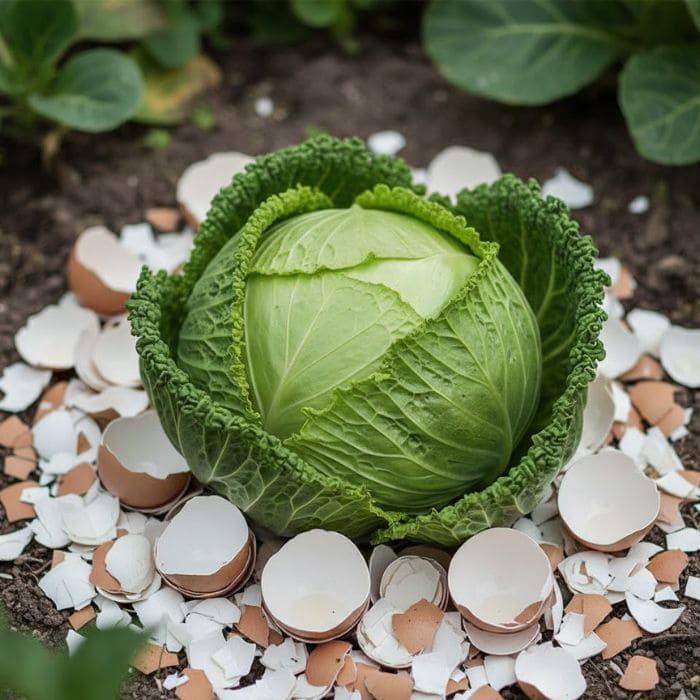
I’d heard a lot about using crushed eggshells as a natural slug deterrent, so I figured I’d give it a try. The idea is that the sharp edges of the crushed shells would create a barrier around the plants, preventing slugs from crawling over them.
I scattered a layer of eggshells around my cabbage and other vulnerable vegetables, thinking it would keep them safe.
At first, it seemed promising. The eggshells created a rough, crunchy texture that I thought slugs would avoid. However, after a few days, I noticed that the slugs were still showing up.
Sure, some of them avoided the areas with eggshells, but others just slid right over them. It wasn’t as effective as I had hoped. The slugs still managed to make their way to my plants, and I was back to square one.
Method 2: Copper
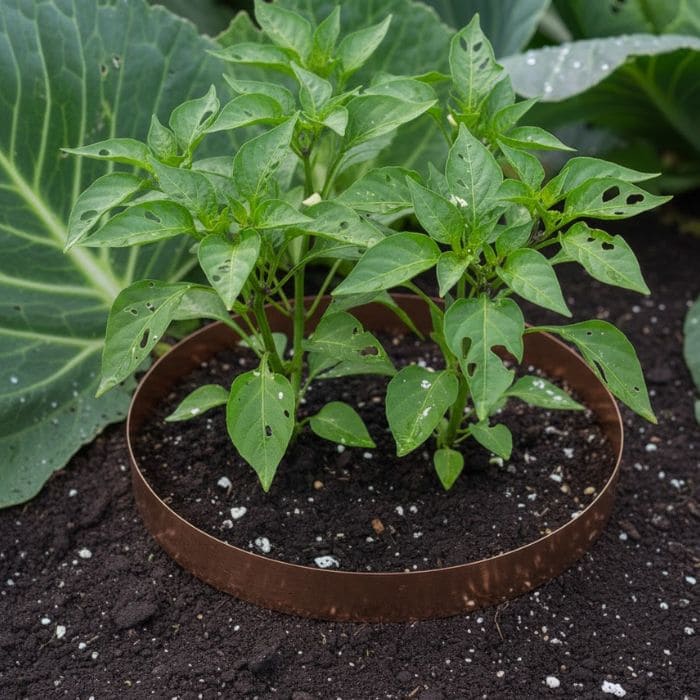
Next, I tried copper. I had read that copper strips could be a good natural slug repellent. The idea behind it is that slugs don’t like the electrical charge they get when they come into contact with copper, so they avoid it.
I purchased some copper tape and carefully placed it around the base of my plants. It looked nice, and I was hopeful it would work.
Initially, I noticed a slight improvement. The slugs seemed to avoid the copper strips, but after a few days, I started to see them creeping around the edges of the copper or slipping under the tape.
It wasn’t foolproof. The copper definitely helped reduce the number of slugs, but it didn’t completely eliminate the problem. The cabbage still had some damage, and the spinach was slowly being eaten away.
Method 3: Beer – The Game-Changer
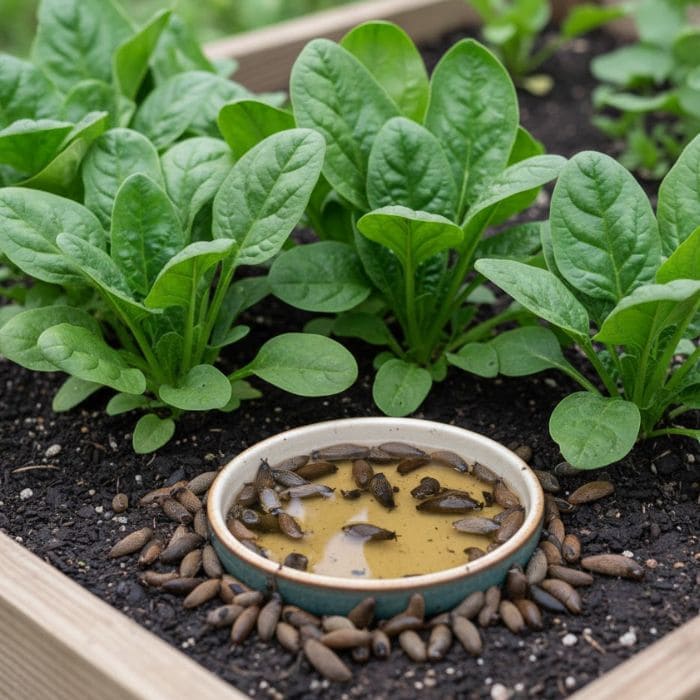
I wasn’t ready to give up yet. That’s when I stumbled upon an old gardening trick that I hadn’t tried before: using beer to trap the slugs.
I had heard that slugs were attracted to the yeast in beer, and when they crawl into a shallow dish of it, they drown. Intrigued, I decided to set up a slug trap with beer.
I placed a few shallow dishes filled with beer around my garden, especially near my cabbage and spinach plants. I used a beer that I had lying around (nothing fancy, just a regular lager).
The next morning, I couldn’t believe what I saw. The dishes were filled with slugs! I had caught more slugs in one night than I could ever imagine. It was honestly a bit shocking to see how effective this simple method was.
I continued using the beer traps for a few weeks, and the results were incredible. My plants were finally safe from the slugs. The beer traps caught so many of the pests that I didn’t have to worry about them munching on my vegetables anymore.
I was amazed by how easy and inexpensive this method was, and I could finally relax knowing that my cabbage, lettuce, and spinach were safe.
Why Beer Works So Well
So, why does beer work so much better than the other methods? There are a few reasons:
- Attracts slugs: Slugs are attracted to the yeast in beer, which mimics the fermentation process they enjoy. The scent draws them in from a distance.
- Drowning effect: Once slugs are inside the beer trap, they can’t escape. The beer’s liquid creates an environment where they can drown, preventing them from reaching your plants.
- Eco-friendly: Unlike chemical slug baits, beer is completely safe for the environment, animals, and humans. It doesn’t harm the plants or the soil, making it a perfect solution for gardeners who want to avoid harmful pesticides.
Additional Tips for Preventing Slugs in the Garden
1. Watering Time Matters
Slugs thrive in moist conditions, so how and when you water your garden can make a big difference. If you’re watering late in the evening or at night, you’re essentially giving slugs the perfect environment to thrive.
So, water your garden early in the morning, before the sun gets too hot. You can also use a drip irrigation system or soaker hoses, which deliver water directly to the soil, reducing surface moisture where slugs like to congregate.
2. Use Mulch Strategically
Mulch can be a great ally in your fight against slugs, but the type of mulch you choose matters.
You can choose mulch types that slugs dislike. Straw, wood chips, or cedar chips work well because their rough texture makes it difficult for slugs to crawl over.
Cedar mulch is especially effective because it also has a natural insect-repellent quality. Be sure to apply a thick enough layer to cover the soil well but not too thick that it traps moisture beneath it.
3. Encourage Natural Predators
The best way to keep the slug population in check is by encouraging natural predators in your garden.
- Attract birds by providing birdhouses, birdbaths, or feeders. Birds like thrushes, robins, and sparrows are natural slug hunters.
- Create a habitat for frogs and toads by setting up small, shallow water areas or simply leaving small piles of stones and logs for them to hide in. Frogs and toads will help regulate slug populations, especially at night when they’re most active.
- Invite beetles by planting native wildflowers and keeping some areas of your garden a little more wild. Certain types of beetles, like ground beetles, will actively hunt down and feast on slugs.
4. Hand-Picking Slugs
Go out in the evening or early morning with a container of soapy water and gently pick slugs off your plants. The soapy water will drown them, and it’s an easy, non-toxic way to get rid of them.
If you have a lot of slugs, you can even make it a family activity or recruit neighbors who also have slug issues. It’s a bit labor-intensive, but it can significantly reduce the number of slugs.
5. Consider Using Nematodes
If you’re looking for a more advanced solution, beneficial nematodes are microscopic worms that can help reduce slug populations. These worms naturally prey on slugs, making them an excellent way to keep the numbers down in your garden.
You can buy nematodes from garden centers or online. They’re applied to the soil, where they seek out and infect slugs, ultimately killing them.