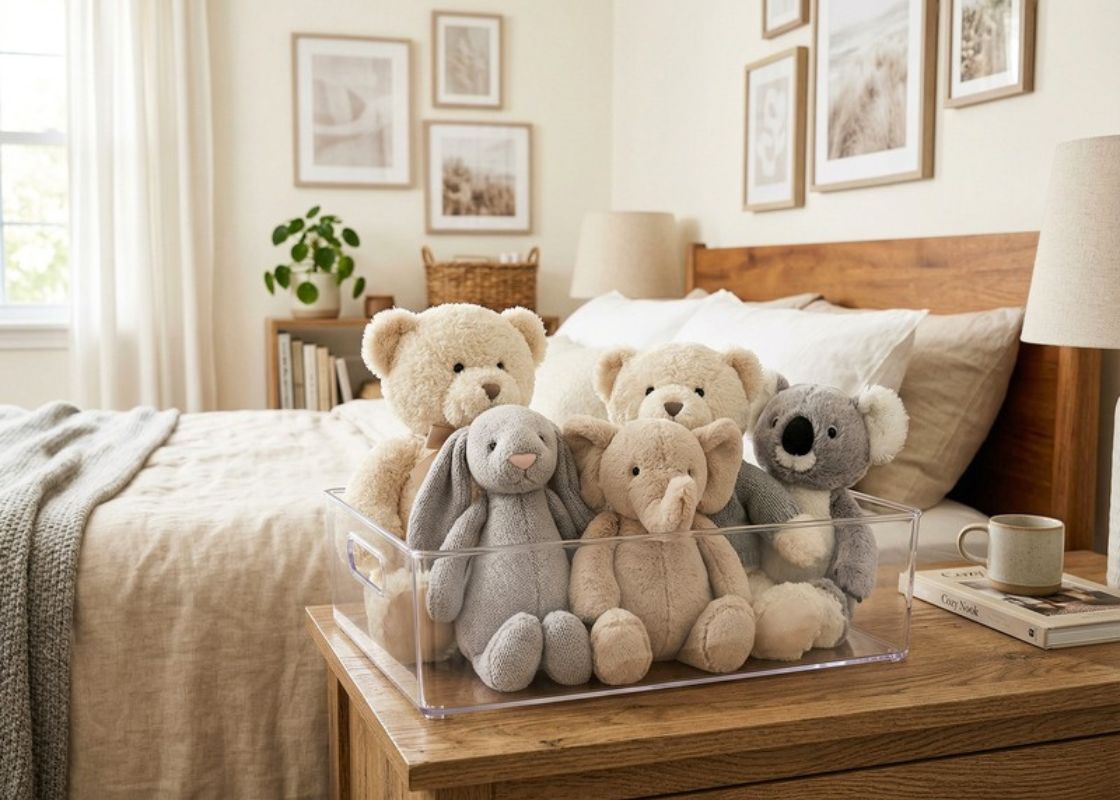
Stuffed toys are beloved by children and often become their constant companions. However, these soft and cuddly friends can also be home to unwanted guests dust mites.
These microscopic creatures thrive in warm, humid environments and feed on dead skin cells, often accumulating in bedding, carpets, and stuffed toys.
Dust mites are one of the most common indoor allergens, and their presence can lead to allergic reactions, asthma, and respiratory issues.
Fortunately, there are several effective ways to get rid of dust mites on stuffed toys and ensure that your child’s favorite toys remain safe, clean, and allergy-free.
In this article, we’ll explore three proven methods for tackling dust mites in stuffed toys, with detailed instructions for each technique.
1. Washing Stuffed Toys in Hot Water
One of the most straightforward and effective ways to eliminate dust mites from stuffed toys is by washing them in hot water.
The heat kills the dust mites, as they cannot survive temperatures above 130°F (54°C).
This method is simple and guarantees that your stuffed toys will be free of dust mites and other allergens.
How to Wash Stuffed Toys to Remove Dust Mites:
- Check the Care Label: Before you begin, check the care label on the stuffed toy to ensure it’s machine washable. Some stuffed animals may have delicate materials or be labeled “hand wash only.” If that’s the case, proceed to hand wash them using hot water, but always follow the manufacturer’s instructions.
- Machine Wash: Place the stuffed toy inside a laundry bag to protect it during the wash. If the toy is machine washable, set your washing machine to the highest temperature allowed on the care label (at least 130°F or 54°C). Use a mild detergent to avoid irritating sensitive skin.
- Dry Thoroughly: After washing, make sure the toy is thoroughly dried. Dust mites are more likely to thrive in damp conditions, so either use a high-heat dryer setting or air-dry the stuffed toy in direct sunlight. The heat from the dryer will further help eliminate any remaining mites.
- Repeat Regularly: For maximum dust mite control, wash your stuffed toys every 2-3 months, or more frequently if they are heavily used or exposed to pets.
2. Freezing Stuffed Toys
If you’re concerned about the wear and tear that washing stuffed toys might cause, freezing is another excellent method for killing dust mites. Dust mites cannot survive at temperatures below freezing, so this method is both effective and gentle on delicate toys.
How to Freeze Stuffed Toys to Eliminate Dust Mites:
- Place the Stuffed Toy in a Plastic Bag: Put the stuffed toy inside a sealed plastic bag to prevent any moisture from coming into contact with the toy during freezing. Make sure the bag is tightly sealed to protect the stuffed toy from any frost or ice buildup.
- Freeze for 24 Hours: Place the plastic bag in the freezer and leave it for at least 24 hours. The freezing temperatures will kill dust mites and their eggs without damaging the fabric of the toy.
- Shake Out the Toy: After removing the stuffed toy from the freezer, take it out of the plastic bag and give it a good shake to remove any dust mites or debris that have become dislodged. This is a quick and easy way to refresh the toy and ensure that it’s mite-free.
- Consider Regular Freezing: If your child has multiple stuffed toys, consider making freezing a part of your regular cleaning routine. Doing this every few months will help keep dust mites and allergens at bay.
3. Using Allergen-Proof Covers and Sprays
While washing and freezing are great options for cleaning stuffed toys, preventing dust mites from returning is equally important.
Using allergen-proof covers or sprays can help protect stuffed toys from future dust mite infestations.
How to Use Allergen-Proof Covers:
- Buy Allergen-Proof Covers: Allergen-proof covers are specifically designed to protect stuffed toys from dust mites. These covers are made of tightly woven fabric that prevents dust mites from settling inside the toy. They are especially useful for stuffed toys that are difficult to wash frequently, such as large plush animals or toys with intricate details.
- Cover and Seal the Toy: Simply cover the stuffed toy with the allergen-proof cover, ensuring it’s sealed tightly. These covers are usually zippered, making them easy to install and remove when needed. Be sure the cover fits snugly to prevent dust mites from entering.
- Wash the Cover Regularly: Just like with the stuffed toys themselves, be sure to wash the allergen-proof covers regularly. Follow the manufacturer’s instructions for cleaning to maintain their effectiveness in blocking dust mites.
Using Allergen Sprays:
- Choose a Safe Allergen Spray: There are sprays available on the market designed to kill dust mites and other allergens. These sprays are typically non-toxic and safe for use on fabrics. Look for sprays labeled as anti-dust mite or anti-allergen for the best results.
- Spray the Stuffed Toy: Hold the spray at a distance of about 6-8 inches from the stuffed toy and lightly mist the surface. Focus on areas like seams and the interior of the toy where dust mites are likely to hide. Allow the toy to air dry before use.
- Reapply as Needed: For long-term protection, apply the allergen spray every few months or as directed by the product. It’s an easy way to create a barrier that keeps dust mites from re-infesting your child’s beloved stuffed animals.
Additional Tips for Maintaining Dust Mite-Free Stuffed Toys:
1. Keep Stuffed Toys in a Clean Environment:
Dust mites thrive in dusty, humid environments. To prevent future infestations, keep your child’s room clean and dry. Regularly vacuum the floor, including carpets and rugs, and use a dehumidifier if the room tends to be damp.
2. Wash Bedding Regularly:
Dust mites are more likely to thrive on bedding, so it’s essential to wash bed sheets, pillowcases, and blankets frequently. Use hot water and dry the bedding thoroughly to kill dust mites. This will also help keep stuffed toys cleaner for longer.
3. Use Dust Mite-Resistant Pillowcases and Mattress Protectors:
If your child’s stuffed toys frequently end up in bed, it’s a good idea to invest in dust mite-resistant pillowcases and mattress protectors. These protective covers can help reduce the overall dust mite population in the bedroom.
Conclusion
Dust mites can be a hidden source of discomfort for many people, but with the right approach, you can easily rid your stuffed toys of these pesky allergens.
Whether you choose to wash your toys in hot water, freeze them, or protect them with allergen-proof covers and sprays, these methods are effective in eliminating dust mites and keeping your child’s favorite toys clean and safe.
Regular cleaning and prevention will go a long way in maintaining a dust mite-free environment, ensuring that your stuffed toys remain cuddly and allergy-free for years to come.
Read more: How to Organize Your Bedroom in Just 30 Minutes: From Chaos to Clutter-Free