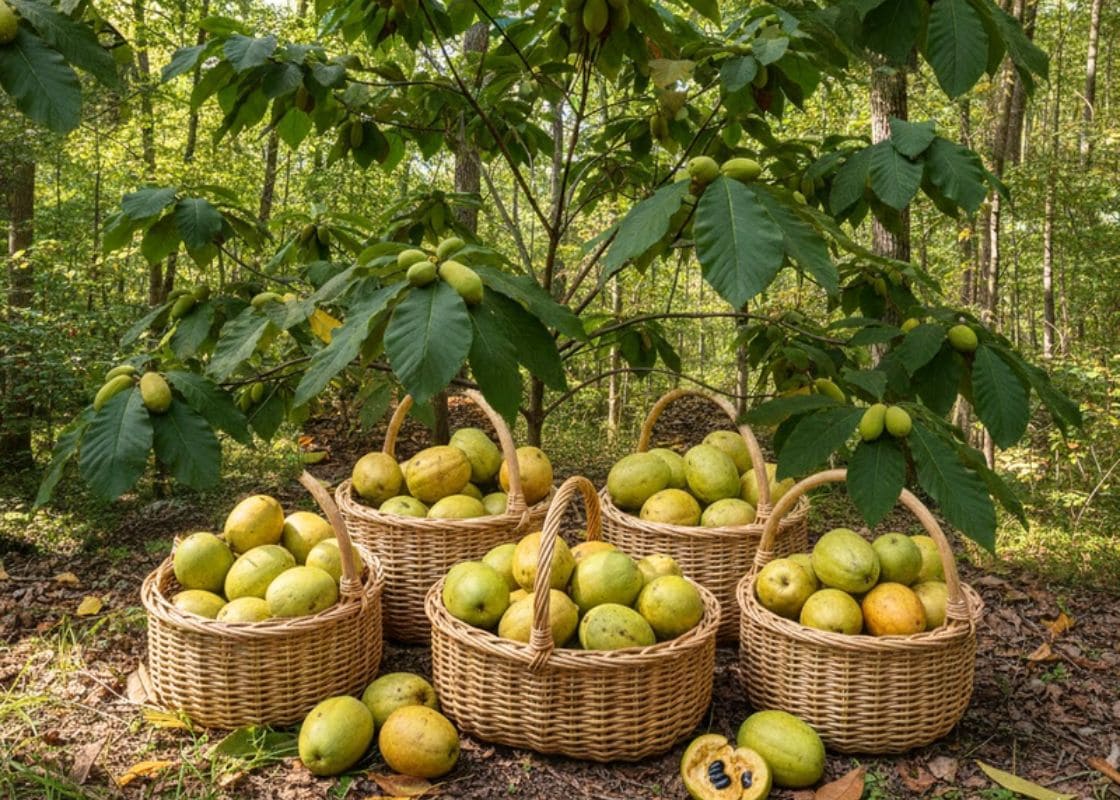
When we first moved to West Virginia, I quickly learned that this place carries its knowledge quietly, often passed along in small conversations rather than books or signs.
One afternoon, while walking near the edge of our land where the woods begin to thicken, a neighbor casually asked if I had pawpaws growing yet.
When I admitted I had no idea what he meant, he smiled and said they were the bananas of West Virginia, as if that explained everything.
At the time, I nodded politely without understanding, but over the years I’ve realized how many people outside this region have never heard of pawpaws at all.
Many of my followers and friends still ask if they are related to papayas or if they grow somewhere tropical, which always makes me smile, because pawpaws belong very much to this land, shaped by the same forests, creeks, and seasons that define West Virginia.
What Pawpaws Are and Why They Feel So Different
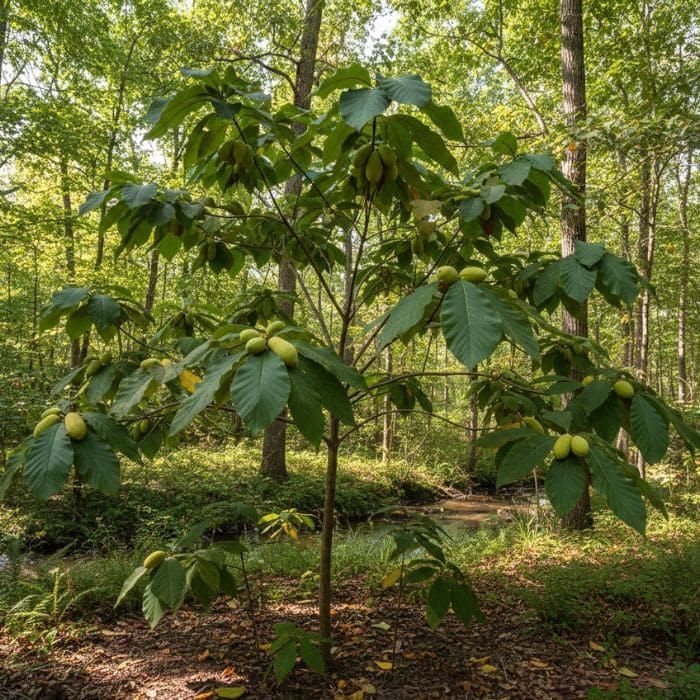
Pawpaws are native fruits, which means they grew here long before farms and orchards existed, thriving quietly along riverbanks, in forest understories, and on rich slopes where the soil stays moist but well-drained.
They prefer dappled sunlight rather than full exposure, especially when young, which is why they often grow beneath taller trees or along woodland edges.
The trees themselves have a gentle presence. Their leaves are long and oval, often reaching 10 to 12 inches, with a smooth surface and a deep green color that turns soft yellow in fall.
When you crush a leaf between your fingers, it releases a faint, earthy scent that reminds you how closely connected these trees are to the forest floor.
In spring, the flowers appear before the leaves fully open, dark maroon and slightly hidden, pollinated not by bees but by flies and beetles, which is another reason pawpaws feel so different from other fruit trees.
How Many Pawpaws Grow in West Virginia
West Virginia is one of the strongest regions for pawpaws in the country, with wild patches scattered across valleys, creek beds, and shaded hillsides.
In many places, pawpaws grow in colonies formed by root suckers, creating small groves that families return to year after year.
These patches are easy to miss if you don’t know what you’re looking for, especially since the fruit blends into the leaves until it is nearly ripe.
Because pawpaws do not ripen all at once and do not ship well, they never became a commercial fruit, which is why they remain a local treasure rather than a grocery store item.
The Eight Pawpaw Trees in My Garden
In my own garden, I grow eight pawpaw trees, planted along a gentle slope where they receive morning sun and afternoon shade.
Pawpaws take patience, sometimes four to seven years before producing fruit, and they grow slowly at first. When young, they appreciate protection from harsh sun and wind, but once established, they become sturdy and long-lived trees.
A healthy pawpaw tree can live 50 years or more, quietly producing fruit season after season with very little intervention. I rarely prune mine, and aside from occasional mulching and watering during dry spells, they mostly take care of themselves.
The Colors of Pawpaws: From Raw to Ripe
One reason pawpaws confuse first-time growers is that they don’t change color dramatically as they ripen.
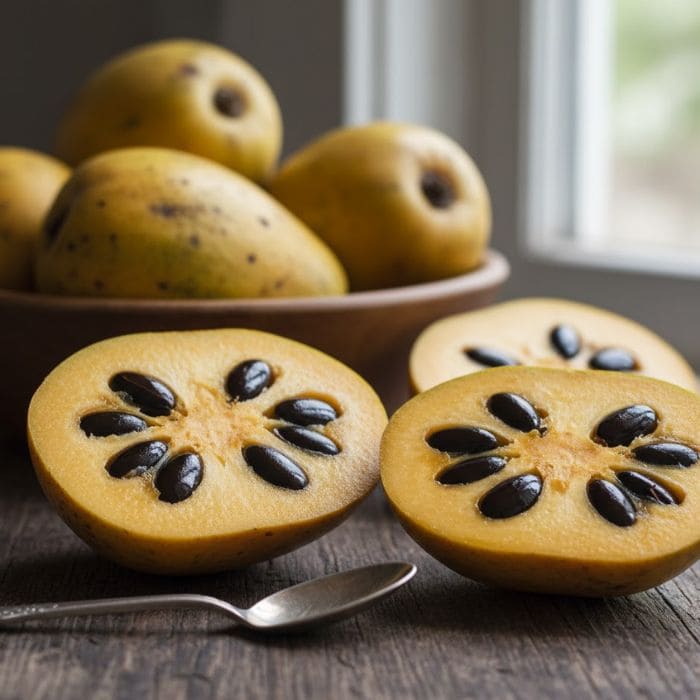
When unripe, pawpaws are firm and green, sometimes with a slightly dull or dusty look. As they ripen, the skin softens and shifts subtly toward yellow or light brown, often developing dark speckles or patches.
Inside, the change is more dramatic. The flesh turns from pale and firm to soft and creamy, ranging in color from light yellow to deep custard-like gold.
Large, glossy black seeds line the center, smooth and oval, usually 10 to 14 seeds per fruit, depending on size. These seeds are not edible, but they tell you immediately that the fruit has reached maturity.
Just Smell Pawpaws and You’ll Know
The surest way to know when a pawpaw is ripe is not by sight or touch, but by scent. When unripe, pawpaws have almost no smell at all, but when they are ready, the air around them changes.
The scent becomes sweet and tropical, with notes that remind people of banana, mango, and vanilla, even though the fruit never looks tropical on the outside.
I don’t need to pick them up to know. I can walk past my pawpaw trees and tell instantly when the fruit is ready just by breathing in.
Often, ripe pawpaws fall gently to the ground on their own, which is another sign locals trust more than calendars or dates.
Why Pawpaws Are Rare Beyond This Region
Pawpaws are not built for travel. Their flesh bruises easily, and once ripe, they only last a few days at room temperature. Even in the refrigerator, they must be eaten quickly or used in simple recipes.
This short shelf life is why pawpaws never became a commercial crop, and why so many people outside this region remain unaware of them.
Here, that limitation is part of their charm. Pawpaws belong to the moment, to late summer and early fall, and to the places where they grow.
What Pawpaws Become in the Kitchen
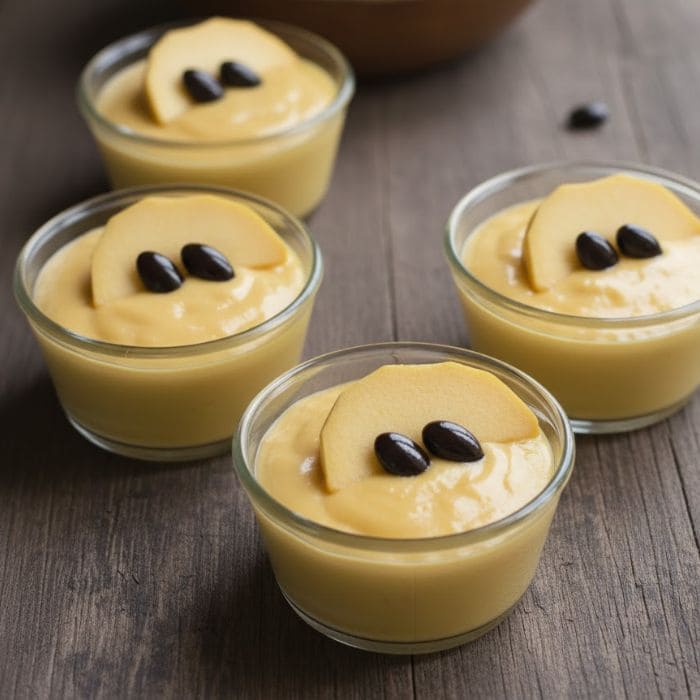
In my kitchen, pawpaws are treated gently. Sometimes I eat them fresh, standing outside with juice on my hands, because that feels like the most honest way to enjoy them.
Other times, I scoop the flesh and use it in breads, custards, or simple fillings, letting the flavor shine without much interference.
Because the seeds are large and the flesh soft, preparation is simple, and the fruit lends itself well to slow, comforting recipes rather than quick snacks.