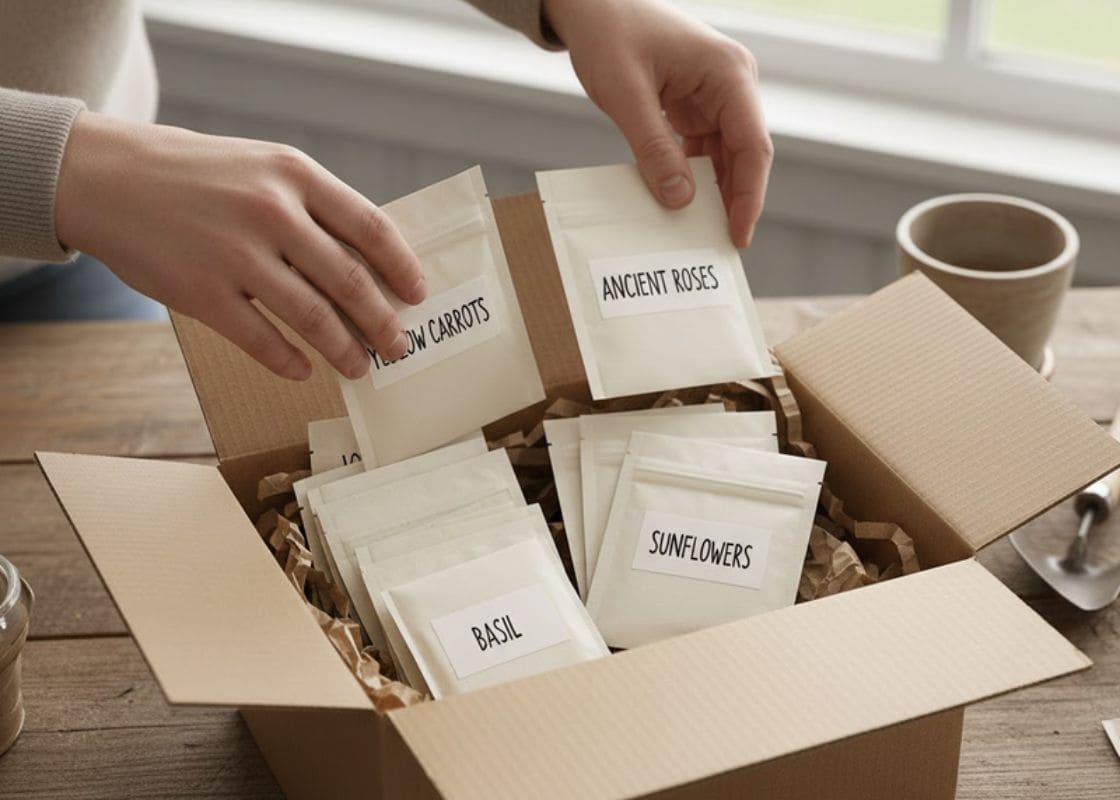
Somewhere along this journey, seeds stopped feeling like small, forgettable things and started feeling like responsibility. I don’t remember the exact day it happened, but I know it came after we settled into this land and I began to understand how much effort, patience, and trust it takes to grow food honestly.
When you become a real farmer, even on a small scale, you stop seeing seeds as products and start seeing them as beginnings that deserve respect.
Before this life, I bought seeds the way most people do. I picked them up from the supermarket or a nearby grocery store while doing regular shopping, choosing familiar packets with bright photos and simple promises.
Tomatoes, lettuce, spinach, coneflowers, sunflowers. Everything looked easy and interchangeable. If something failed, I bought another packet and tried again, never asking where those seeds came from or what they had been bred for.
Why Quality Seeds Feel Like Precious Gifts
After sharing my seed starting kit in the last post, I realized something important was missing from that conversation.
Tools matter, soil matters, light matters, but none of it works without seeds that carry strength, memory, and adaptability. A good seed doesn’t just germinate, it responds to soil, survives stress, and adapts to the place it’s planted.
Living here, with changing weather and land that still teaches me lessons every season, I’ve learned that strong seeds often come from strong stories, not shiny packaging.
The Facebook Group That Changed My Perspective
Recently, I joined a gardening group on Facebook, mostly to learn quietly from others and feel connected to people who understand this way of life.
One account kept appearing in my feed, and at first, I didn’t know what to make of it. The photos showed plants that looked unusual to me.
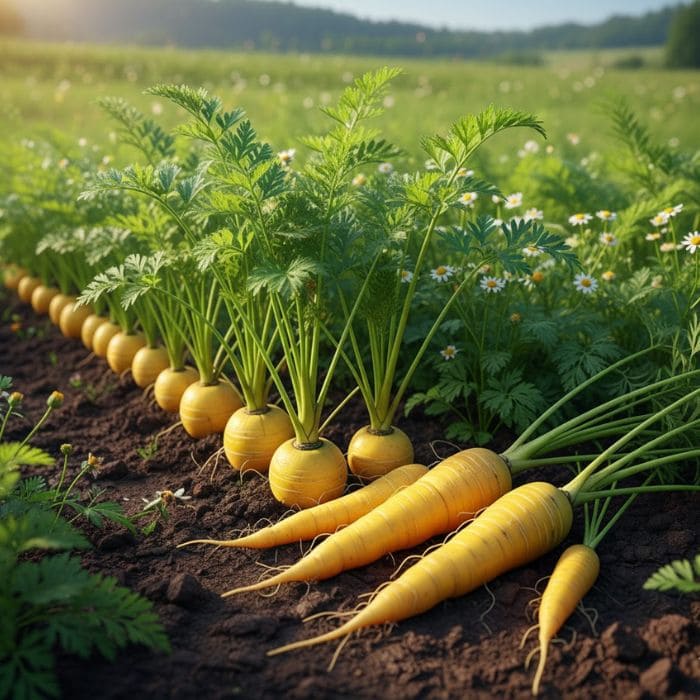
Ancient-looking roses with muted colors, yellow carrots instead of orange, tomatoes shaped unevenly, and vegetables that honestly made me laugh a little because they reminded me of Santa hats or something from a fairytale.
My first thought, and I’m not proud of it, was that her garden must be struggling. Everything looked strange, imperfect, and unpredictable and of course, it didn’t match the tidy idea of a productive garden I had in my mind.
The Comments That Made Me Rethink Everything
Under her photos, the reactions were nothing like I expected. People weren’t criticizing. They were celebrating.
A woman named Elaine wrote, “My great-grandfather grew this variety before hybrids existed.” Someone else, Thomas, commented, “Thank you for protecting seeds the world almost forgot.” Another person said, “These flavors cannot be found in stores anymore.”
Comment after comment carried gratitude, memory, and recognition. I scrolled back through her posts and began to understand what I had misunderstood.
As I followed her more closely, I learned that many of her seeds had been cultivated and saved for more than seventy years, passed down through careful selection and observation rather than machines.
Some were deliberate crosses she had researched herself over decades. Others were heirlooms brought from Europe, Africa, and Asia, seeds that had survived migration, climate shifts, and generations of growers.
Some varieties were hundreds of years old, never meant to be uniform, never meant to travel long distances, but bred instead for flavor, resilience, and the ability to adapt to local soil.

Reaching Out With a Mix of Curiosity and Doubt
I hesitated for a long time before messaging her. Asking for seeds like this felt different from ordering online. It felt personal.
Still, something in me knew I had to try. I introduced myself, shared where I live, and told her about leaving New York, about buying this land, and about my hope to grow food that feels honest and connected to place.
Her first response was kind but clear. She told me she usually doesn’t share seeds outside her own garden because each one represents years of work and responsibility.
I respected that completely and thanked her, expecting the conversation to end there.
However, the next day, a new message appeared. She told me she had kept thinking about my story, especially the part about choosing a slower life and wanting to learn rather than control.
She wrote that seeds are meant to move, to be grown, not locked away, and that if someone understands that, they deserve a chance.
Five Days That Felt Like a Season
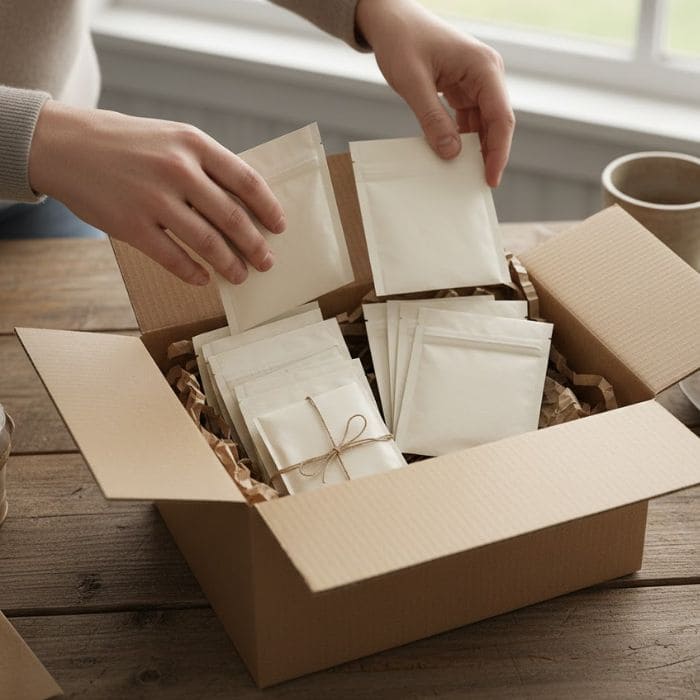
She lives in Florida, which meant I had to wait nearly five days for the package to arrive. Those days stretched longer than they should have. I checked the mailbox every afternoon, thinking about the journey those seeds were making and the hands that had saved them year after year.
When the envelope finally arrived, I didn’t open it right away. I carried it inside, sat at the table, and let myself feel the moment.
Inside were small paper packets, each carefully labeled by hand with names, dates, and notes.
I messaged her immediately to say thank you, not just for the seeds, but for the trust. She replied simply, telling me to grow them slowly, to observe carefully, and to let the plants speak for themselves.
Planning the Garden With New Eyes
Tonight, I’m already planning for next spring, sketching garden beds and imagining where each seed might feel at home. I know some will fail, I know others may surprise me, that uncertainty doesn’t scare me anymore.
If you follow this journey, you’ll see what these seeds become, but more importantly, you’ll see what they teach me along the way, because I no longer believe seeds are just beginnings. They are conversations across time, and I’m finally learning how to listen.