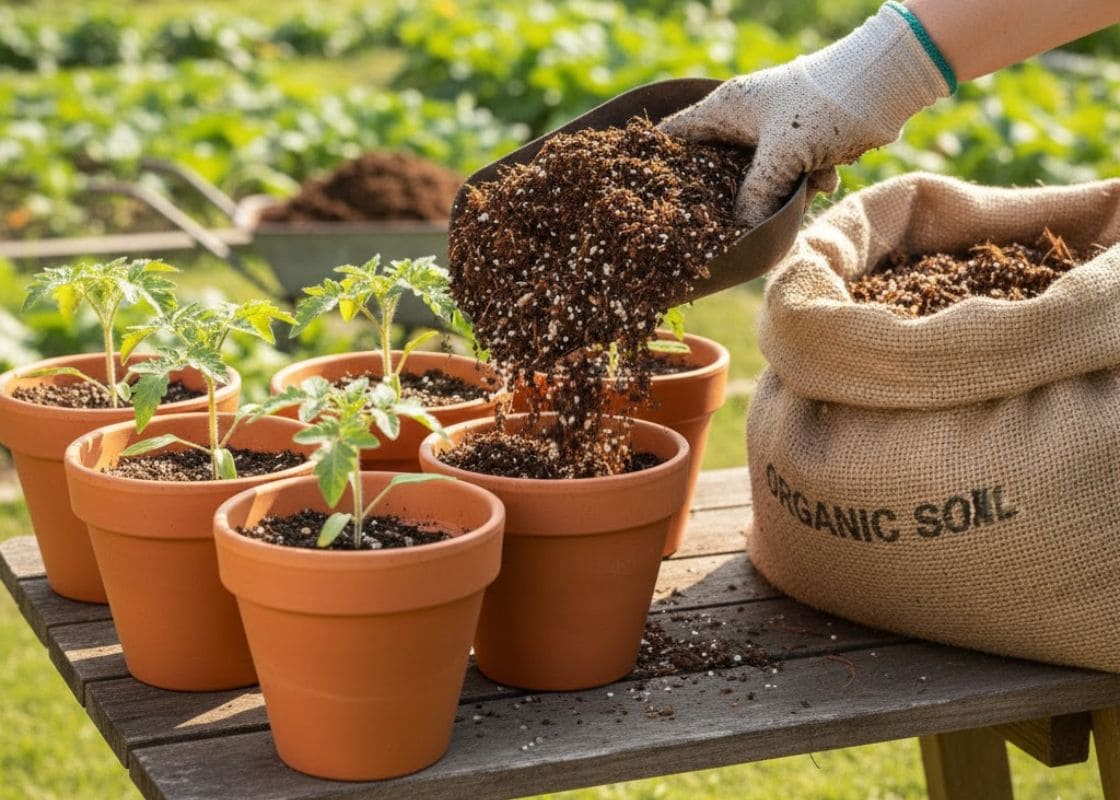
After I shared my five must-have items in my seed starting kit, I received a few messages asking about the potting mix I use, and that made me pause for a moment, because there is something I should admit honestly.
The mix I mentioned before is what I use when I first start seeds, when they are still fragile and living entirely on what they carry inside them, but once those seedlings are ready to grow, I move them into something deeper, richer, and far more forgiving.
Over the years, through trial, failure, and quiet success, I’ve developed a potting mix that I now use for almost everything beyond the earliest stage, from vegetables to flowers, and it has given me results so consistent that I trust it without hesitation.
This is the mix I turn to when I want strong roots, steady growth, and plants that don’t struggle once they leave the tray.
The Potting Mix That Changed Everything in My Garden
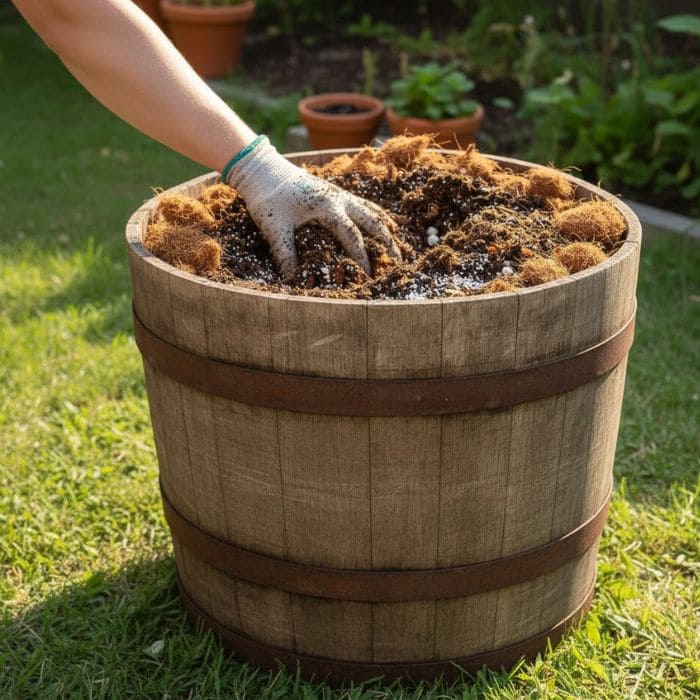
This potting mix came together slowly, adjusted season after season, after noticing what worked and what didn’t in my soil, my climate, and my way of gardening.
What I love most about it is that it doesn’t rely on anything complicated or artificial. Every ingredient has a clear role, and together they create a soil that feels alive rather than manufactured.
This is the mix I use, measured loosely but intentionally:
- 2 parts compost or well-aged manure
- 1 part garden soil
- 1 part perlite
- Coconut coir or peat moss (added as needed for moisture balance)
- Slow-release organic fertilizer
- A small handful of gypsum
Why Each Ingredient Matters More Than It Seems
The compost or well-aged manure makes up the heart of this mix, and I use two parts for a reason. Compost brings life, structure, and slow nutrition, feeding plants gently rather than forcing growth.
When manure is fully aged, it adds richness without heat, which is essential for young roots that are still learning how to explore their space.
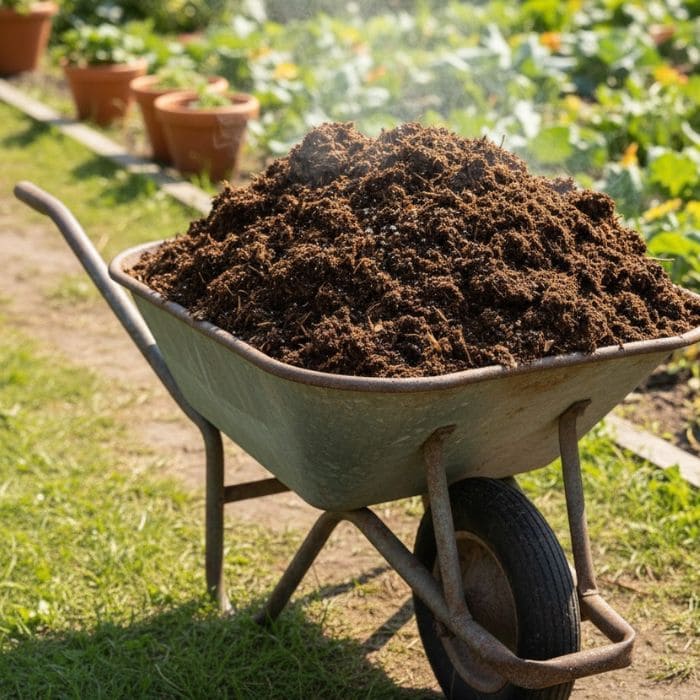
Garden soil gives the mix weight and familiarity. I’ve learned that plants transition more easily when they recognize something from the land they will eventually live in. This soil introduces native microbes and helps roots adapt rather than panic when transplanted outdoors.
Perlite plays a role that is easy to underestimate. It creates air pockets, keeps roots from suffocating, and prevents compaction over time. Without it, even the best compost can become dense, especially after repeated watering.
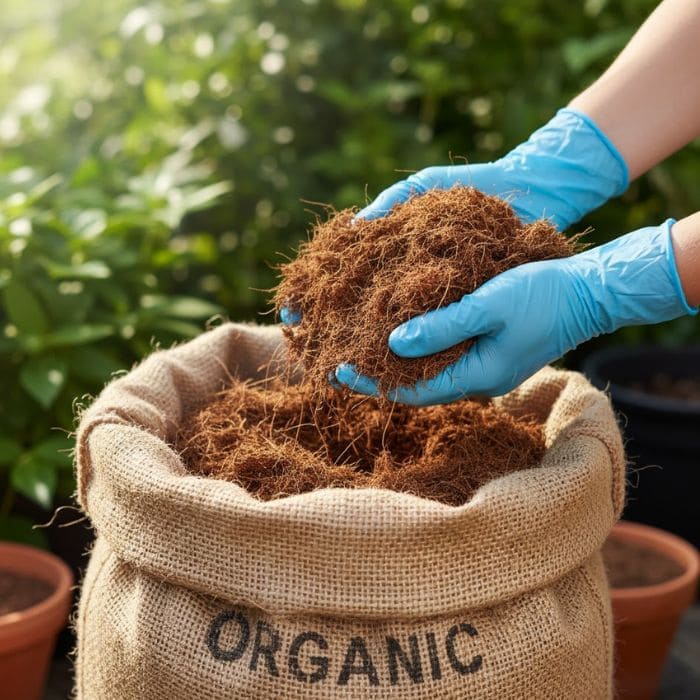
Next, coconut coir or peat moss helps regulate moisture, holding water evenly without turning the mix heavy or soggy. I add it slowly, feeling the texture as I go, because the goal is soil that stays moist but never sticky.
The slow-release organic fertilizer is not there to push growth quickly. It’s there to support plants quietly, providing nutrients over time instead of all at once, which reduces stress and prevents weak, fast growth.
Finally, gypsum is the smallest ingredient by volume, but one of the most important. It improves soil structure, helps roots access calcium without changing soil pH, and supports strong cell development, especially in vegetables that tend to struggle without it.
What I Use This Mix For
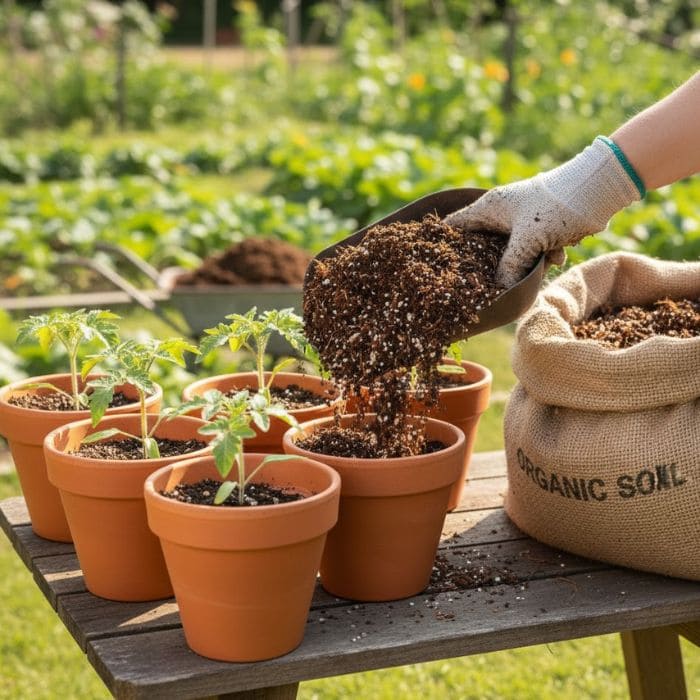
This is not a seed-starting mix in the strictest sense, and I don’t pretend it is.
I use this mix when seedlings are ready to grow, when they have true leaves and need more than a gentle beginning. It’s what I use to pot up seedlings, fill raised beds, refresh tired garden soil, and even grow vegetables in containers.
Tomatoes, peppers, leafy greens, squash, flowers, and herbs all respond well to this mix, because it doesn’t favor one type of plant over another. It creates a steady environment where roots can grow deeply and confidently.
How I Mix It for the Best Results
One of the most important lessons I’ve learned is that how you mix soil matters just as much as what you put into it. I always moisten the compost and perlite before mixing, because dry materials can create pockets that repel water later, leading to uneven moisture and stressed plants.
I build the mix layer by layer, adding a portion of each ingredient, blending gently, then repeating until everything is evenly distributed. I never dump everything in at once and stir aggressively. Soil responds better to patience.
When filling beds or containers, I don’t pack the mix down. I let it settle naturally, knowing that roots need space and air more than firmness.
Small Habits That Keep This Mix Working Long-Term
Even the best soil needs care. Every six to eight weeks, I top-dress with compost or mulch, replenishing nutrients slowly rather than starting over. This keeps the soil alive and prevents exhaustion, especially during long growing seasons.
In hotter weather, I always add a layer of mulch on top, which protects the soil from extreme temperature swings and helps retain moisture. This simple step reduces watering stress and keeps roots cool, which matters more than most people realize.
Why This Mix Works So Well in Many Situations
One reason this potting mix has worked so reliably for me is because it fits the reality of West Virginia weather, which can be generous and challenging at the same time.
Our springs often arrive wet and cool, followed by sudden warm spells, and then summers bring heat mixed with heavy rain that can compact soil quickly if it isn’t balanced well. This mix drains excess water without drying out too fast, which helps roots stay healthy even when the weather can’t decide what it wants to do.
The compost and garden soil give plants enough weight and stability to handle frequent rain, while the perlite and coconut coir keep the mix open and breathable so roots don’t sit in water after storms.
Gypsum has been especially helpful here, because it improves soil structure without changing pH, something I’ve learned matters when dealing with naturally heavy or clay-leaning soils common in parts of this state.
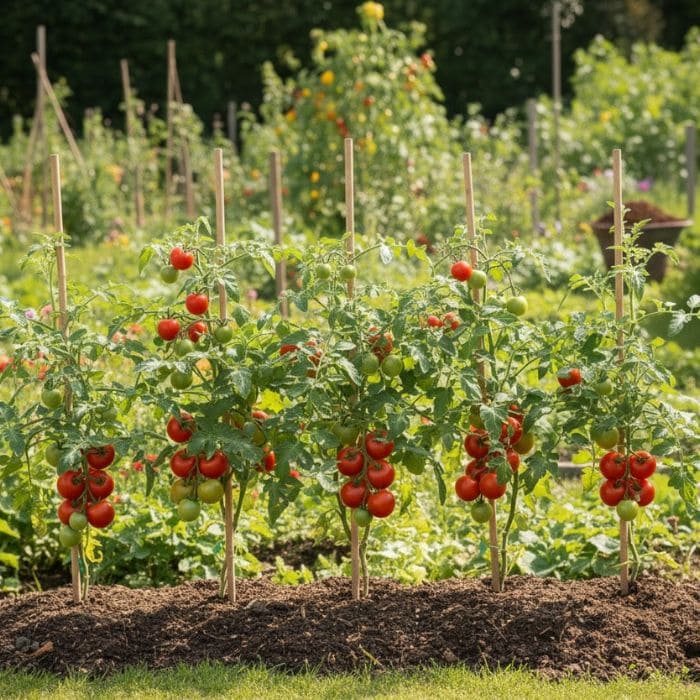
If you live in an area similar to West Virginia, with mixed rainfall, cooler nights, and unpredictable springs, this mix can often be used as-is with very little adjustment. It creates a buffer between plants and the weather, which is exactly what young vegetables need when conditions change quickly.
If you live in a hot and dry climate, I would increase the coconut coir or peat moss slightly and be generous with mulch, because moisture loss happens faster and roots need extra protection from heat. In those regions, keeping the soil cool matters just as much as feeding the plant.
If you garden in a cooler or consistently wet climate, I would reduce the compost just a little and add more perlite to prevent water from lingering too long around the roots. Good drainage becomes the priority there, especially in early spring when soils warm slowly.
For those in very cold regions, this mix still works well in containers and raised beds, but I would recommend allowing soil to warm naturally before planting, rather than rushing, because even the best mix cannot overcome frozen ground.
A Final Thought Before You Mix Your First Batch
I don’t believe there is a single perfect potting mix that works everywhere without change, but I do believe in building a base that understands your climate and your soil, then adjusting gently instead of starting over each season.
This mix has supported my garden through heavy rain, cool springs, and hot summers, and it continues to evolve as I learn more about this land.
And wherever you garden, I hope this mix helps you build something steady, forgiving, and full of life, because good soil, much like a good garden, is something you grow into, not something you rush to finish.